When Australians shop for food, most assume that farm animals are protected by strong animal welfare laws. The scary part is, while legal requirements outline animal care, these minimum requirements are often developed with a basic level of protection in mind – rather than focusing on enhancing the animal’s welfare. This is where the RSPCA Australia Standards play an important role.
For over 30 years, the RSPCA’s farm animal welfare certification has worked with producers to improve conditions for farmed animals through detailed, science-based Standards that go beyond what is legally required. These Standards focus on improving handling, housing and husbandry practices to support the physical and behavioural needs of animals and creating opportunities for positive experiences and to express natural behaviours that matter to them — helping to prevent the more chilling welfare outcomes that can lurk beneath basic legal requirements.
What does ‘beyond legal requirements’ mean?
Australian animal welfare legislation and regulations set minimum requirements for the treatment of farmed animals. These laws create a baseline for acceptable care, but they do not necessarily represent best-practice animal welfare.
The RSPCA Australia Standards that underpin RSPCA Certified are designed specifically to improve welfare outcomes for farmed animals. Developed by the RSPCA Australia Science and Policy team, they are regularly reviewed to keep up to date with advances in farm animal welfare science and farming and technology innovations. The Standards are updated approximately every five years through an extensive review process. The process includes a comprehensive review of the relevant literature, consideration of leading farming practices in Australia and overseas, consultation with industry, other animal welfare organisations, and an understanding of growing community expectations to ensure they reflect opportunities for improvement and are feasible within the Australian context.
This commitment to continuous improvement means that Standards can adapt as new science becomes available, helping producers implement practices that better meet the needs of animals. The Standards focus on improving housing, handling and husbandry practices that support both the physical and behavioural needs of animals.
No tricks, just better welfare: Giving animals the opportunity to have positive experiences
One of the most significant differences between legal minimums and the RSPCA Australia Standards is the emphasis on animal welfare. Animal welfare is about more than keeping animals healthy and productive (industry’s main focus). It also means ensuring animals can fulfil their behavioural and physiological needs. The RSPCA Standards are focused on providing opportunities for animals to move freely, interact socially and express behaviours that are important to them, thus providing positive experiences.
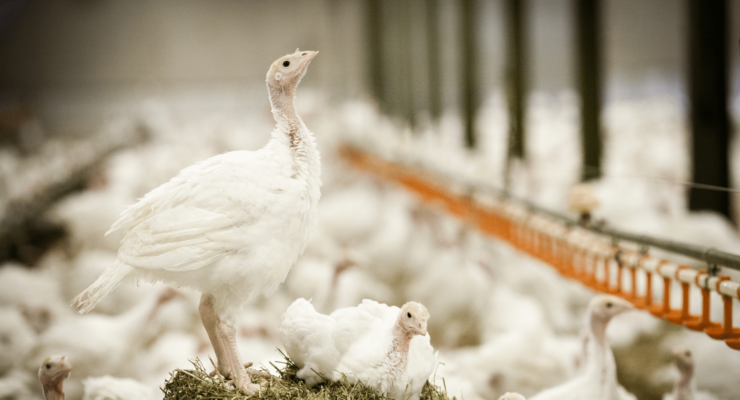
For meat chickens, for example, the Standard include enriched environments that encourage birds to move around, forage and explore. RSPCA Certified farms provide perches to support roosting behaviour and leg health; dry, friable litter for scratching, foraging and dust bathing; interesting objects to peck at for mental stimulation; appropriate lighting that supports active periods during the day and rest at night; and shade and protection when birds are outdoors. These requirements provide meat chickens with the opportunity to perform natural behaviours, rather than simply meeting basic production needs. The Standard also requires birds to have a maximum stocking density based on their weight to allow sufficient space to move around and flap their wings.
This focus on behavioural wellbeing represents an important distinction between achieving minimum legal requirements and striving for higher-welfare outcomes.
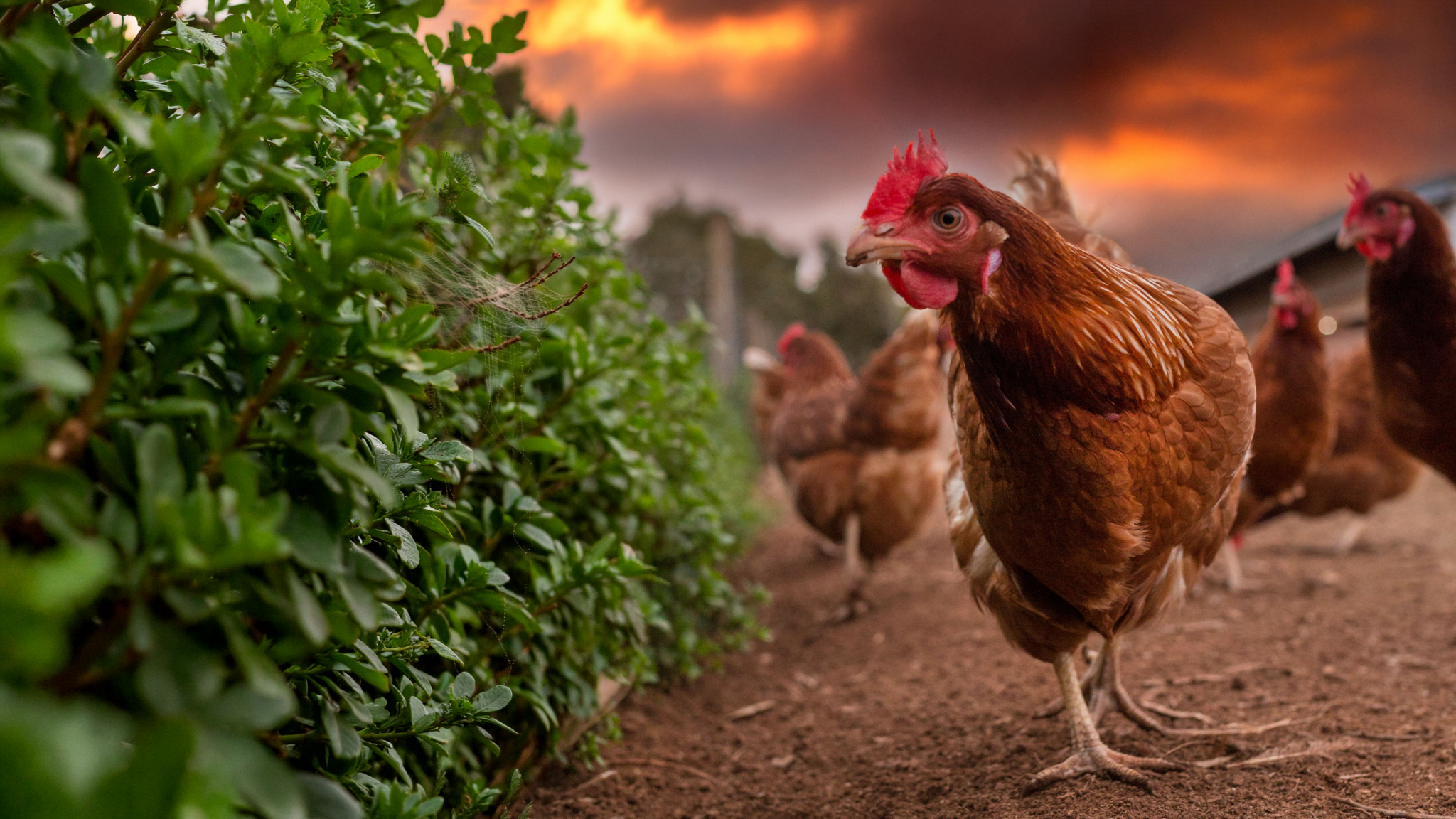
Layer hens: The real fright is that some hens are still in cages
When it comes to layer hens, the difference between legal minimums and RSPCA Australia Standards is obvious – the RSPCA Australia Standard for Layer Hens does not allow cages. While the Australian Government has committed to phasing out battery cages by 2036 by implementing the national Animal Welfare Standards and Guidelines for Poultry, in the present day, millions of layer hens still suffer in cage systems.
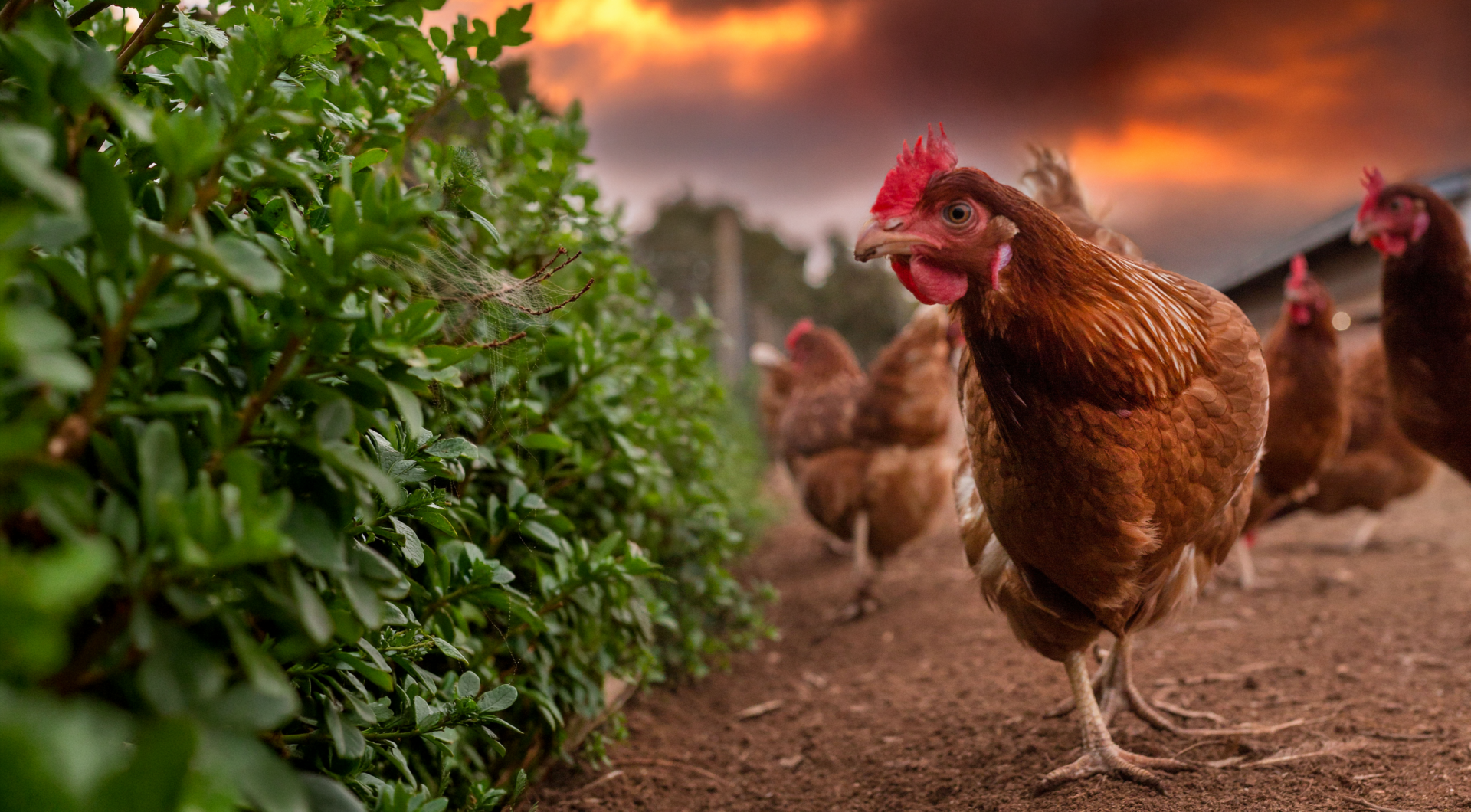
While legal requirements establish a baseline level of care, the Standard is designed to provide layer hens with opportunities to engage in important natural behaviours. This means management systems that support behaviours such as perching, scratching, foraging, stretching their wings and dust bathing – and importantly, being able to lay their eggs in a nest. These behaviours are highly motivated and form an important part of a hen’s daily life.
Like all RSPCA Australia Standards, the layer hen Standard is regularly reviewed to reflect the latest animal welfare science and developments in farming. This ongoing process helps ensure that welfare expectations continue to improve over time rather than remaining fixed at a minimum legal threshold. Producers seeking certification must meet the many detailed requirements in the animal-specific Standard and participate in ongoing assessment processes, helping create a culture of continuous improvement.
By focusing on both physical and behavioural needs, RSPCA’s Standard helps raise awareness on what layer hens require and demonstrates that higher-welfare egg production is achievable.
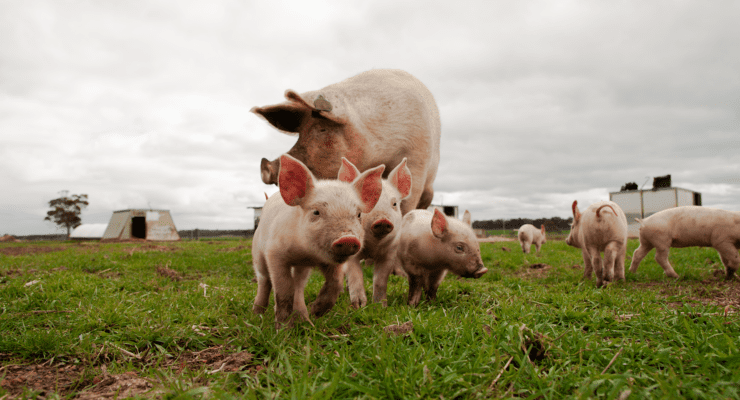
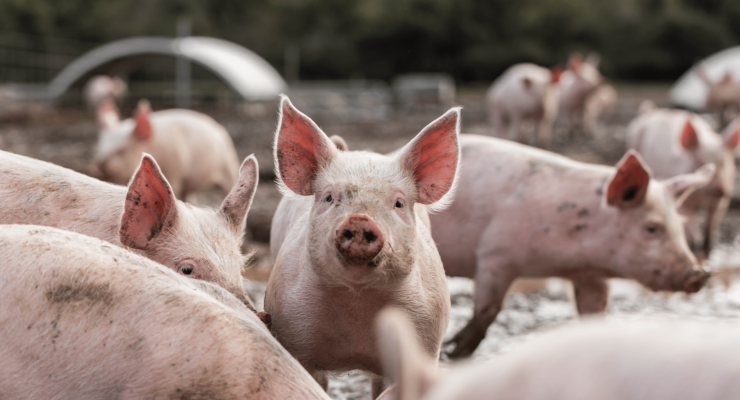
Pigs: Nothing spooky about better pig welfare
Pigs are intelligent, curious and social animals with complex behavioural needs. Like all farm animals, they benefit from environments that allow them to move freely, interact with each other, and engage in natural behaviours such as rooting, exploring and resting comfortably.
In conventional farming systems, sows and boars are kept in restrictive stalls, without space or opportunity to perform natural behaviours that are essential for a better life. While there have been some positive steps in the farming of pigs such as the phase out of sow stalls, in intensive indoor housing systems, sows are still commonly confined to farrowing crates just prior to giving birth, up until their piglets are weaned. Sow stalls, boar stalls, and farrowing crates are not permitted under the RSPCA Australia Standard for Pigs. Painful procedures such as teeth clipping, tail docking, and castration are also not allowed.
RSPCA Certified Producers must meet the many stringent requirements in the Standard to achieve certification, and adhere to rigorous, regular assessments performed by specially trained RSPCA Assessors, to maintain certification status. For RSPCA Certified pig farms, meeting the Standard means providing pigs with space to socialise, e.g. by housing pigs in groups, and opportunities to express rooting and foraging behaviour, e.g. by providing bedding and nesting materials. To retain certification, RSPCA Certified producers must undergo regular, scheduled and unscheduled assessments from an RSPCA Assessor who checks all requirements are being met against the Standard.
Why your purchasing choices matter this spooky season and all year round
If you purchase animal-based products at the supermarket or when dining out, your choices are an indicator to restaurants, retailers, brands and producers of what’s important to their customers. When consumers choose products from RSPCA Certified farms, they support producers who have invested in meeting stronger standards than required by law and who undergo independent assessments to maintain certification.
For consumers, choosing products from systems that prioritise the welfare of farmed animals helps support the adoption of improved farming practices and sends a clear signal that animal welfare matters. This important decision at the supermarket or restaurant shows that purchasing decisions can help drive demand for higher-welfare farming, now and into the future.
By supporting higher-welfare practices through purchasing decisions, consumers help create incentives for broader improvements across the farming sector.
More than compliance: Raising the bar beyond the bare bones
The comparison between legal minimums and RSPCA Australia Standards ultimately comes down to ambition. Legal requirements establish a baseline level of care, while RSPCA Standards seek to deliver better welfare outcomes through science-based, continually evolving requirements that address both the physical and behavioural requirements of animals.
Whether it is providing layer hens with the space to stretch, nest and dustbathe, ensuring pigs are free to socialise, or continually reviewing standards to reflect advancements in animal welfare science, RSPCA Certified is focused on raising the bar.
For consumers who want to support higher-welfare farming, understanding the difference between legal minimums and the requirements of the RSPCA Australia Standards is important. Choosing products from RSPCA Certified farms helps encourage a future where farm animal welfare is not simply about meeting the legal minimum, but about striving for better outcomes for farmed animals across Australia.
Through science-based Standards, regular assessments and a commitment to continual improvement, RSPCA Certified aims to deliver welfare outcomes that go well beyond legal compliance and contribute to meaningful change for farmed animals.