
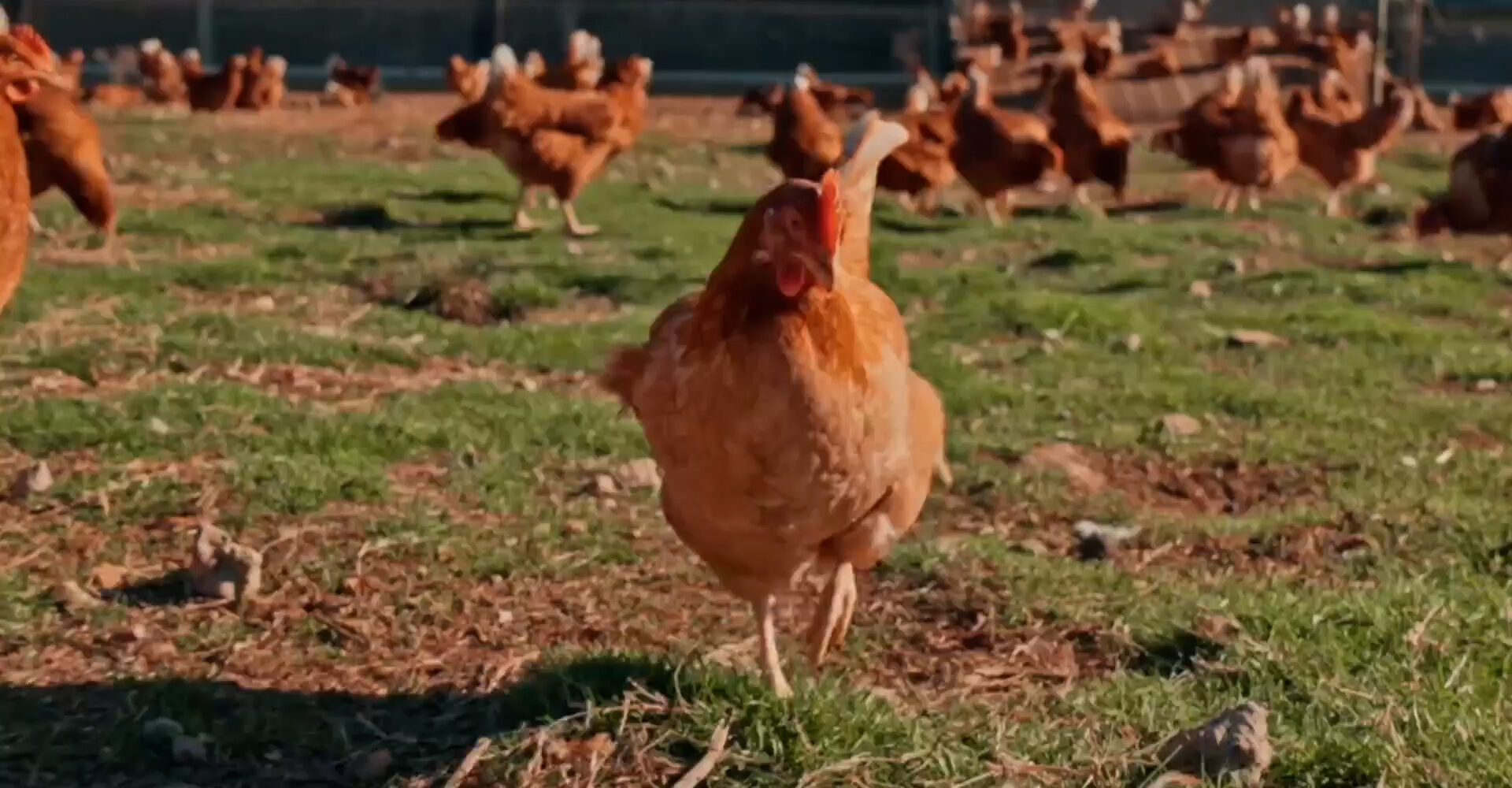
Since the inception of the program in 1996, the goal has remained the same —
“To improve the quality of life of farmed animals by implementing animal welfare standards that go beyond what is legally required in Australia.”
During that time, the program has introduced real and tangible changes to the way animals are farmed in Australia and worked with producers to encourage uptake and ensure conformance with the RSPCA Australia Standards. A robust assessment and certification process, and regular revisions to the standards have resulted in significant improvements for the quality of life for millions of animals.



Our continous improvement pathway
Over the years we’ve established relationships with those who farm animals, built trust with industry and elevated the importance of farm animal welfare.
All of this and more has taken farmers, food companies and consumers on a journey and created more awareness of what it means for farm animals to have a better quality of life. But our journey isn’t over – we’re still walking the path of continuous improvement to raise welfare standards and create even further meaningful changes for Australia’s farmed animals.
Through regular revisions of the RSPCA Australia Standards to keep up with modern science, technology and farming practices, each revision includes incremental improvements, which help lift the bar for the welfare of farmed animals.
Through the robust certification process and regular assessment to ensure continued conformance, we know that more animals are being farmed to a higher-welfare standard. This puts us closer to our vision of a future of higher-welfare farming.
It indicates better welfare, and you can find RSPCA Certified products in supermarkets, and many of your favourite eating spots.
A future of higher-welfare farming
In the absence of better welfare focused legal requirements for Australia’s farmed animals, RSPCA certification was developed as a solution to drive better welfare standards in a tangible way.
While the RSPCA Australia Standards which underpin the program go beyond what is legally required, there is still more work to be done to drive meaningful change. Our role is not always straightforward, and we often operate in a challenging environment, but through our work with producers and industry RSPCA certification has already made significant advancements that positively impact the welfare of farmed animals.
Meaningful change
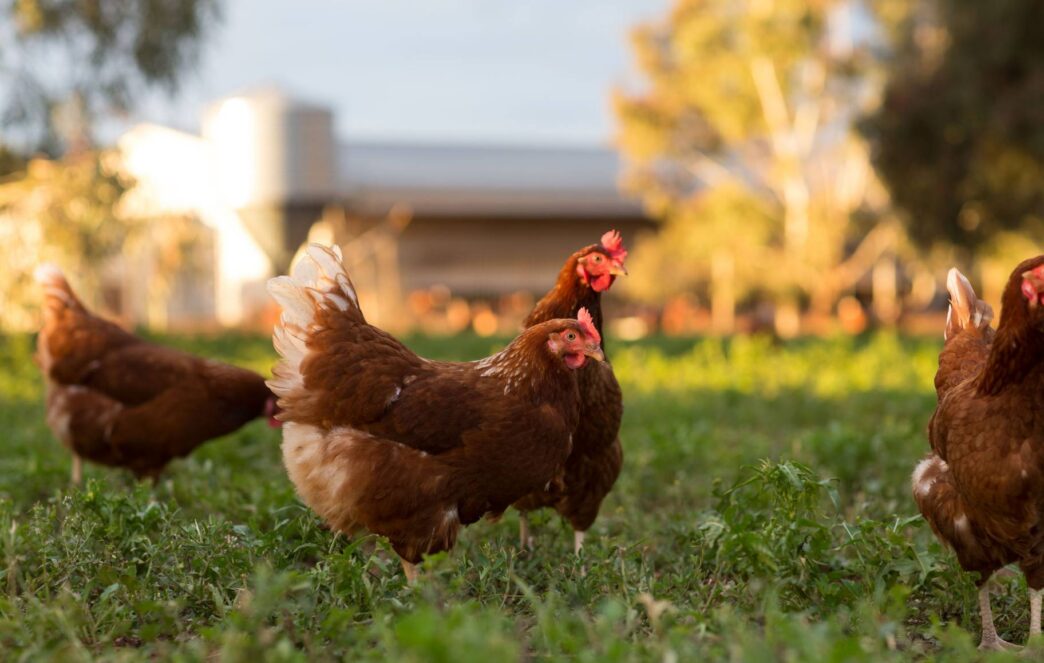
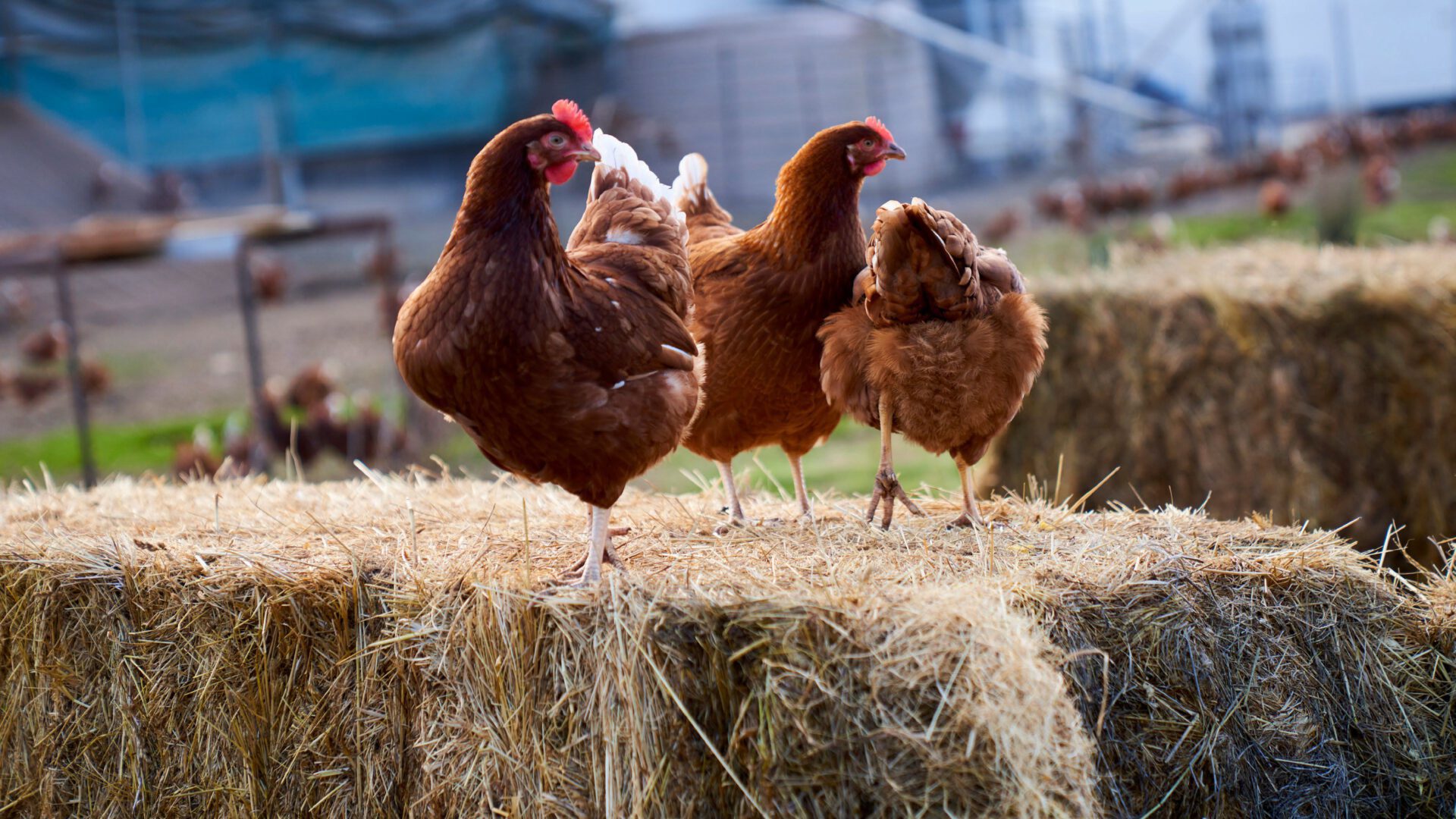
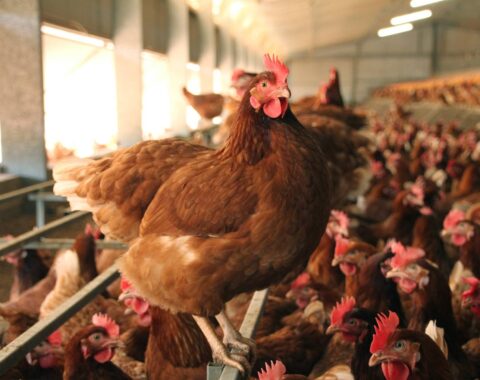
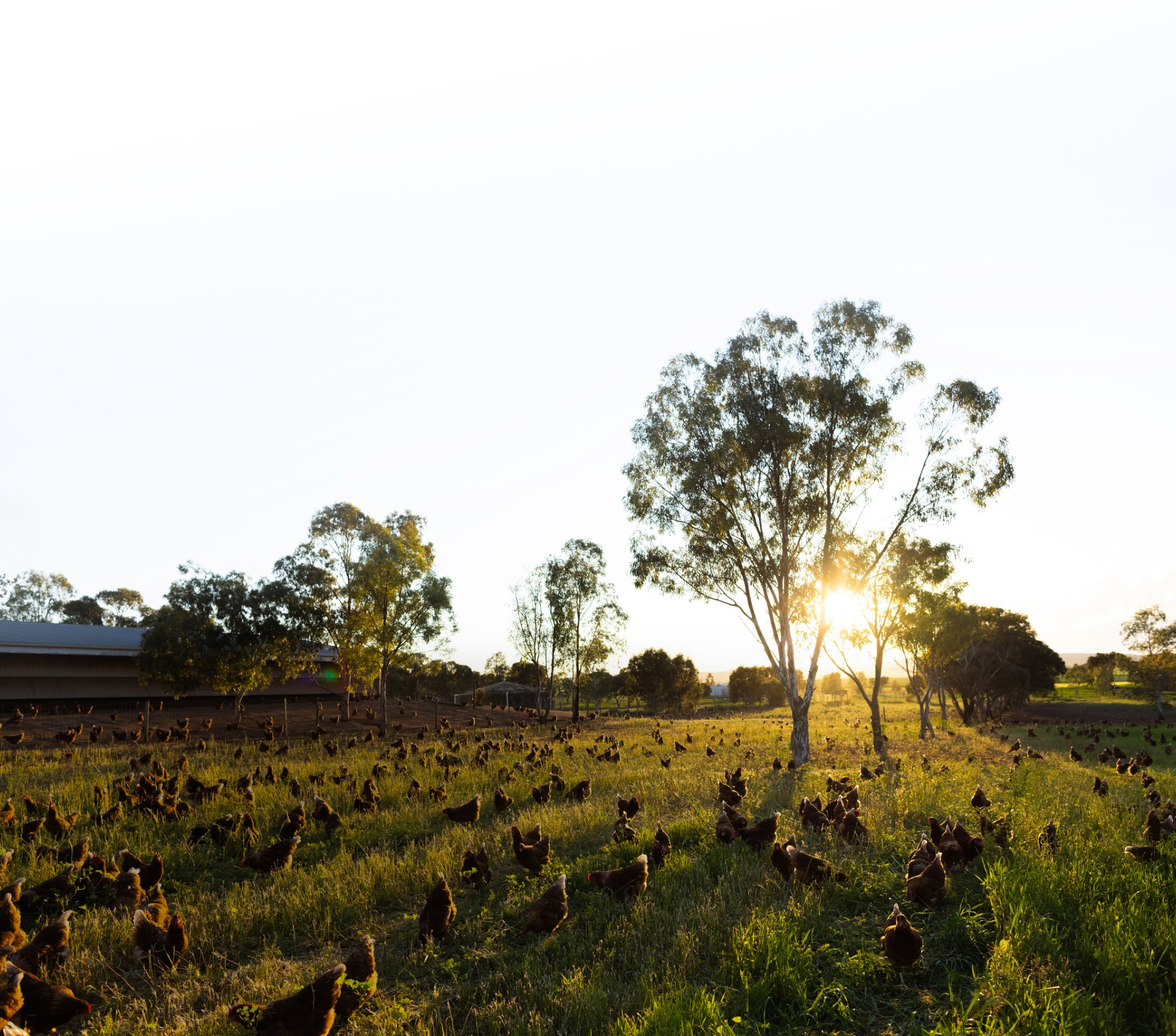
For layer hens, many of Australia’s layer hens in conventional systems are kept in barren cages, which restrict their movement and ability to perform natural behaviours such as dustbathing and perching. RSPCA Certified does not allow cages.
The RSPCA Australia Standard for Layer Hens also requires lower stocking densities in both indoor and outdoor systems, meaning birds have more space to move freely, flap their wings and socialise than legally required. They also have access to secluded nestboxes to lay their eggs.
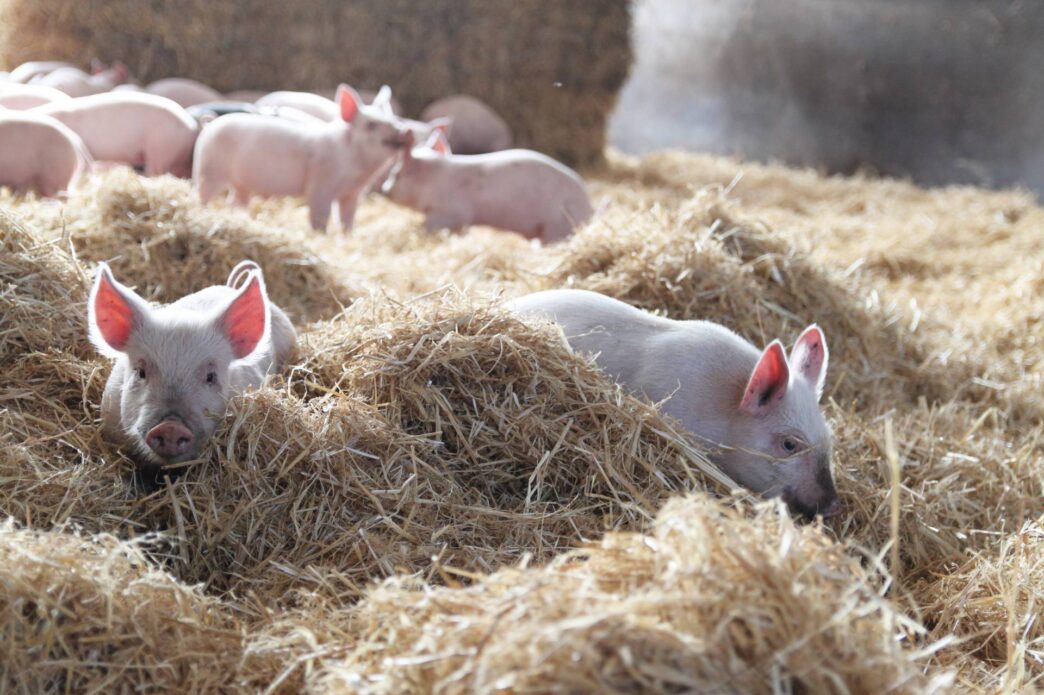
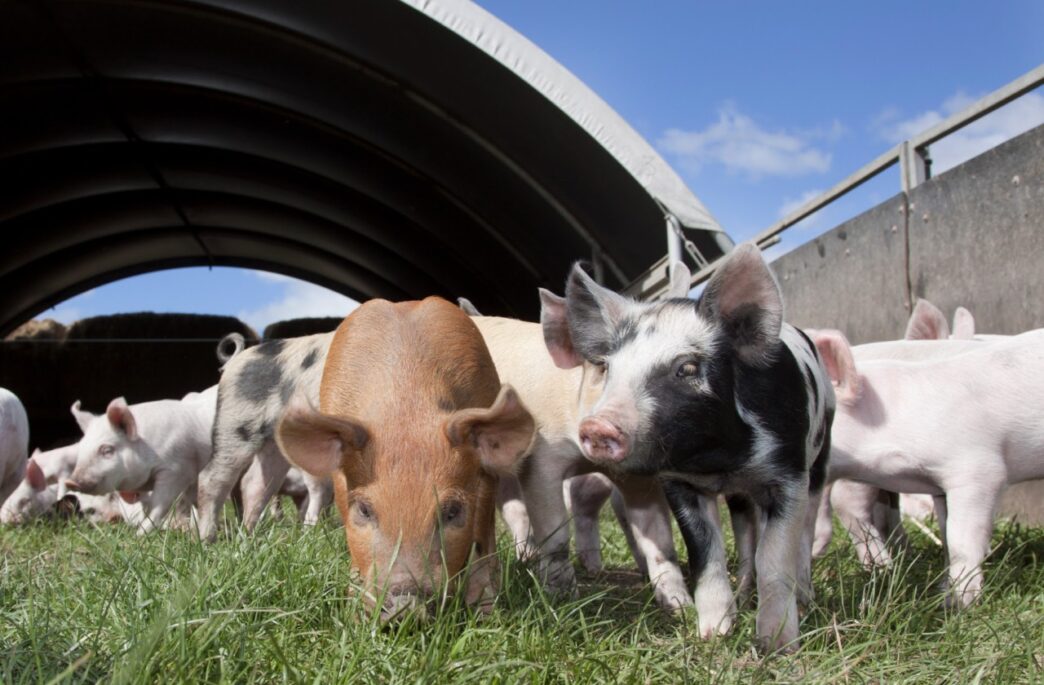
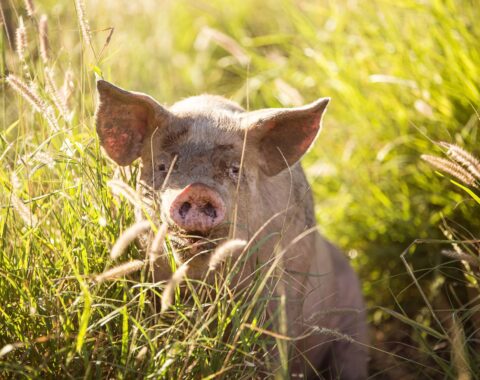
When it comes to pigs, the use of individual sow stalls has largely been phased out in favour of group housing, yet other forms of confinement such as boar stalls and farrowing crates are still common and pose serious welfare concerns. However, RSPCA Certified does not allow confinement in sow stalls, farrowing crates, boar stalls and mating stalls.
Additionally, pigs are not subjected to painful husbandry procedures such as tail docking or teeth clipping and whether housed in enriched indoor or outdoor systems, they have space to move, forage, socialise and explore.
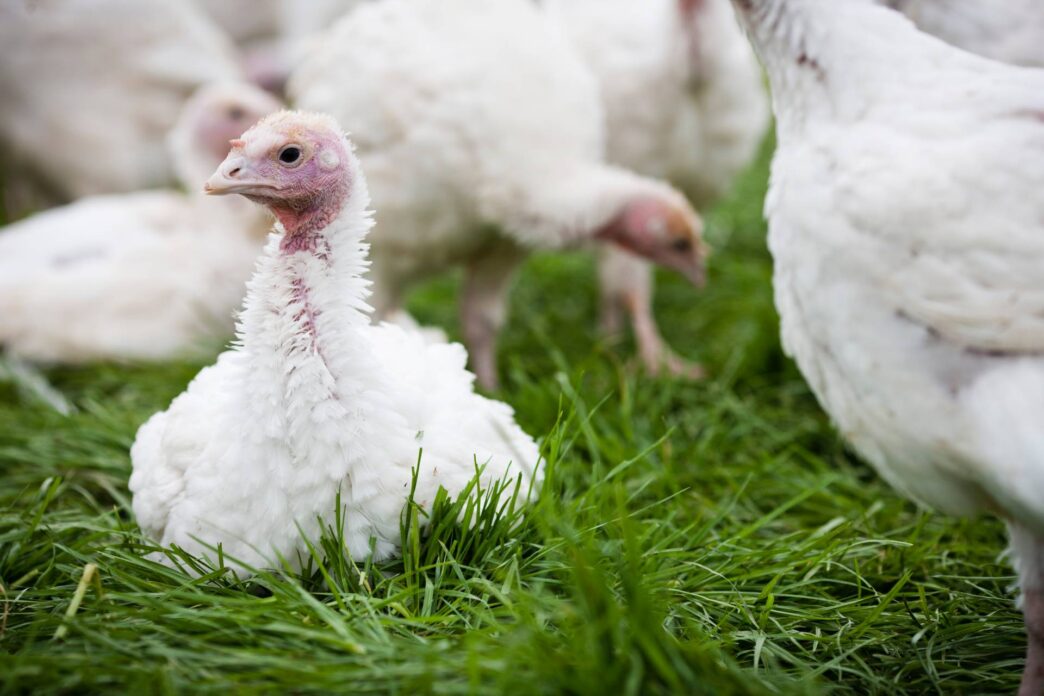
Turkeys raised to the minimum legislative requirements spend their lives in barren, cramped, and dimly lit environments that contribute to animal welfare issues.
On RSPCA Certified farms, turkeys have more room to move and socialise, perches to build stronger bones and muscles, dry friable litter for dustbathing and enrichment for their inquisitive minds. Additionally, they are not subjected to painful husbandry procedures.
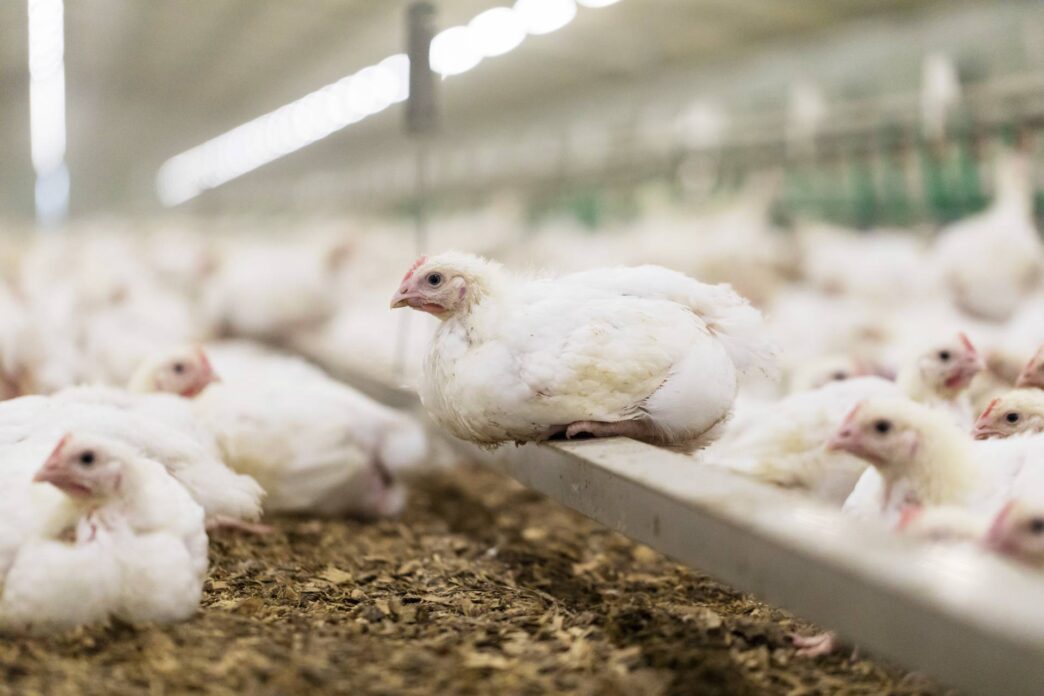
For chickens raised for meat, the program has implemented meaningful changes that encourage highly motivated behaviours including quality, dry litter to scratch and dustbathe in, perches to increase leg health, enrichment, more room to move as well as appropriate periods of light and continuous darkness to allow for proper rest.
If provided with outdoor access, the birds have access to a range with vegetation and shade.
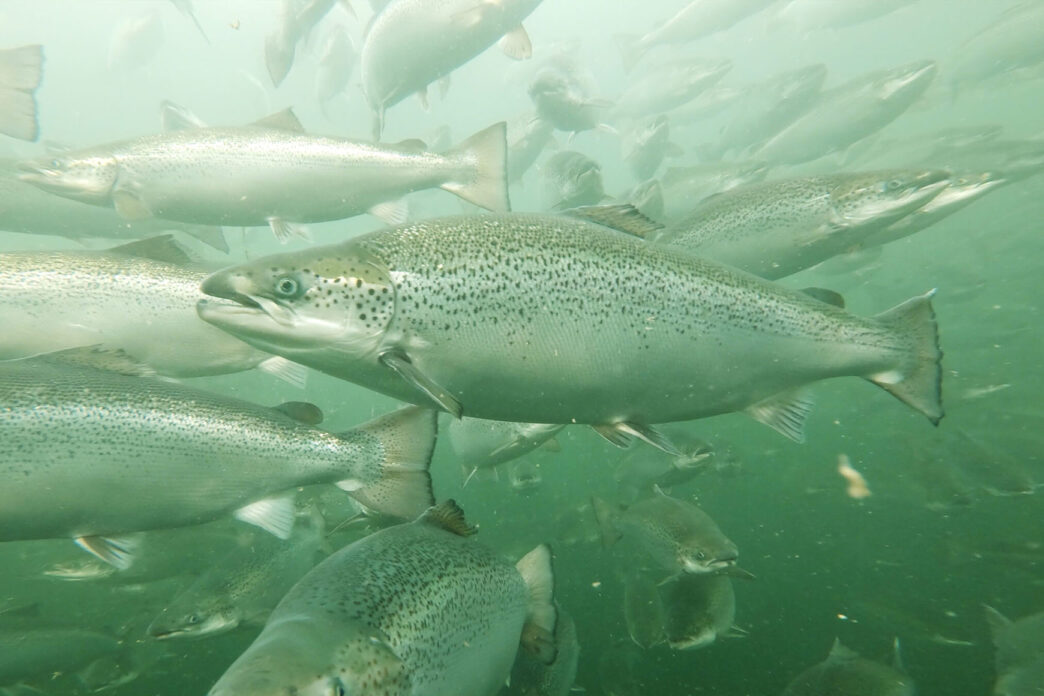
In the absence of legal requirements for the welfare of farmed Atlantic salmon, RSPCA Certified has introduced meaningful improvements.
Salmon farmed to RSPCA Australia’s Standard have room to swim effortlessly and perform schooling behaviour. Low stress handling is imperative throughout the salmon lifecycle, and there are strict handling requirements prior to stunning for slaughter and CCTV is in place. Salmon must be closely monitored to ensure good health.
Although there are no producers currently certified to the Standard, the Standard still exists because salmon are one of the most intensively farmed animals, and it’s important we can demonstrate the measures needed to ensure their welfare is considered.
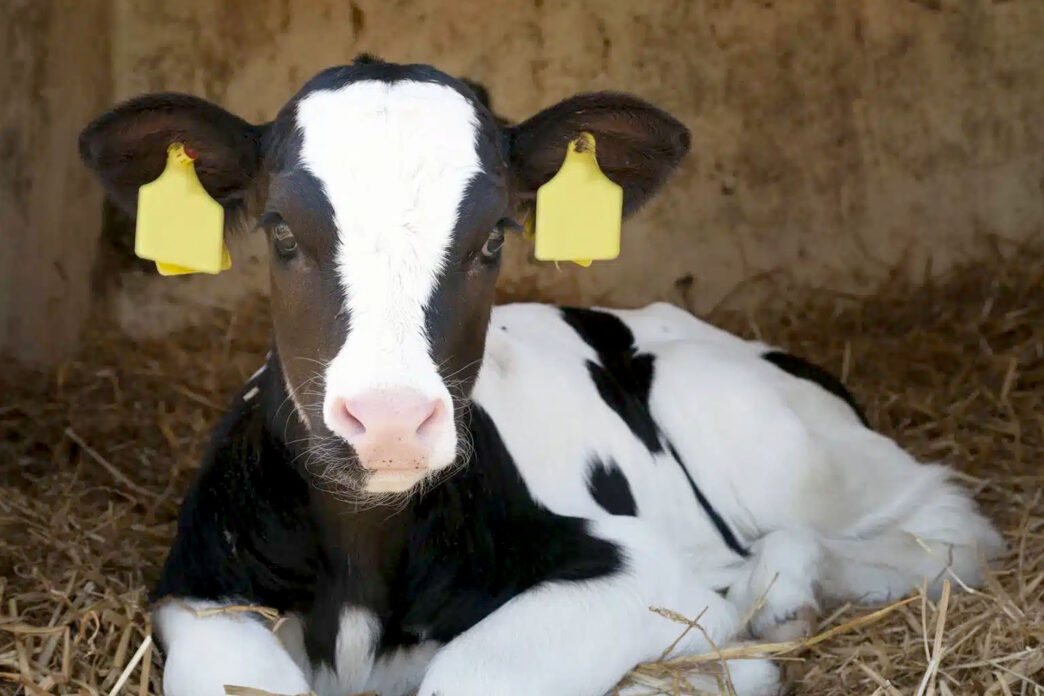
There are a number of welfare concerns for non-replacement dairy calves, including cow-calf separation, individual housing, and painful routine husbandry procedures. Improved welfare can be achieved where calves are provided with sufficient space to play in the company of other calves, sufficient quantity of milk to prevent hunger and competition at the feeder, teat feeders to satisfy the need to suckle, and roughage to promote chewing and rumination and express foraging behaviour, and bedding to allow for thermal comfort as well as nesting. The RSPCA Australia Standard for Non-Replacement Dairy Calves focuses on ensuring calves are provided with these requirements for behavioural and physical needs.
While there are currently no producers certified to the RSPCA Australia Standard for Non-Replacement Dairy Calves, the RSPCA continues to work with industry and advocate for a better quality of life for calves.
What the future
looks like
As an organisation committed to science-based animal welfare policies, one of the most meaningful ways we can improve the lives of farmed animals is to rear them in an environment that meets their individual needs.
Improvements such as ending painful husbandry procedures, lowering stocking densities and giving animals more freedom to express natural behaviours will continue to be considered and addressed in review and development of future RSPCA Australia Standards. We know there is still more work to be done, so we continue to push for change.
Raising the bar
We know there is still more work to be done, so we continue to push for change.
Layer Hens
The national Animal Welfare Standards and Guidelines for Poultry include a phase out of barren battery cages no later than 2036, but they haven’t been implemented. We’d like to see all states and territories commit to implementing the Standards, ideally sooner than 2036.
Pigs
RSPCA Australia believes farrowing crates should be urgently phased out in favour of farrowing systems that meet the sows’ and piglets’ behavioural and physiological needs equally. We also see the need for improved stockpersonship, no cages of any kind and an enriched environment which all pigs need for a better quality of life.
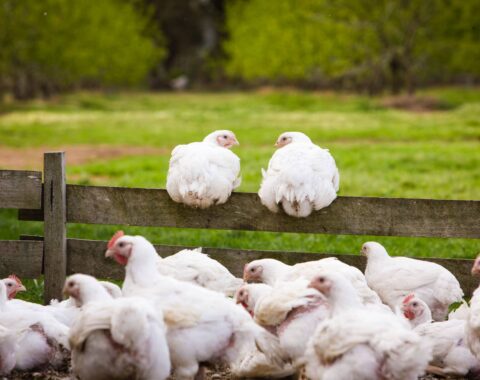
Meat Chickens
We want to encourage uptake of higher-welfare breeds such as slower-growing breeds and see stunning methods that require the conscious shackling of birds, such as electrical water-bath stunning, to be replaced by more humane methods.
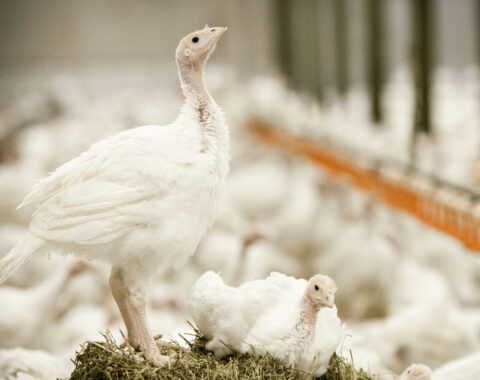
Turkeys
RSPCA Australia is encouraging selecting for a slower rate of growth, provision of more space and adequate lighting in sheds, an environment and environmental enrichment that encourages natural behaviours, and improved stockpersonship, handling and slaughter.
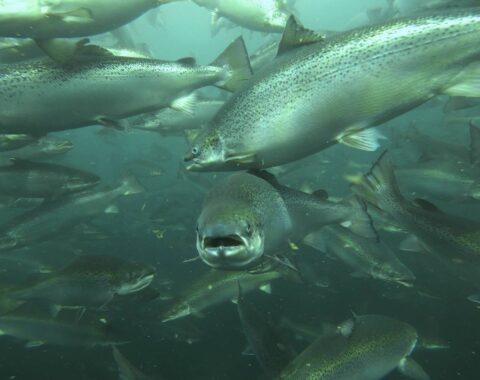
Salmon
Similarly to animals farmed on land, we want to see further improvements to handling and husbandry procedures, transport, and slaughter to reduce stress and suffering. We also want to see research focusing on fish environment, the importance of sleep and rest for fish and alternative seal deterrent methods, as well as effective regulation and monitoring of the environmental impact of salmon farming.
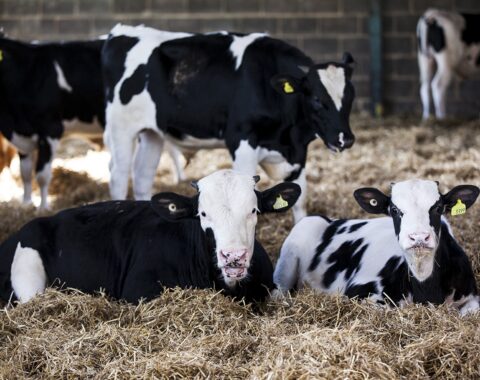
Dairy Calves
While there are currently no producers certified to the RSPCA Australia Standard for Non-Replacement Dairy Calves, the RSPCA continues to work with industry and advocate for a better quality of life for calves.
Working with industry
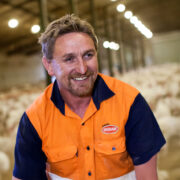
In the meantime, RSPCA Certified will continue to work with industry to improve the welfare of all farmed animals, and to assess the feasibility of introducing higher welfare standards for other animals.
There are so many unresolved issues, and the RSPCA Australia Standards do not address them all. Only by working across a range of areas, including advocacy, working with government and industry – and of course, RSPCA Certified – will we achieve the most meaningful and substantial change for the welfare of some of Australia’s most intensively farmed animals.
Ready to shape the future of higher welfare farming?
Read our 2023-24 Impact Report