RSPCA Certified
Turkeys
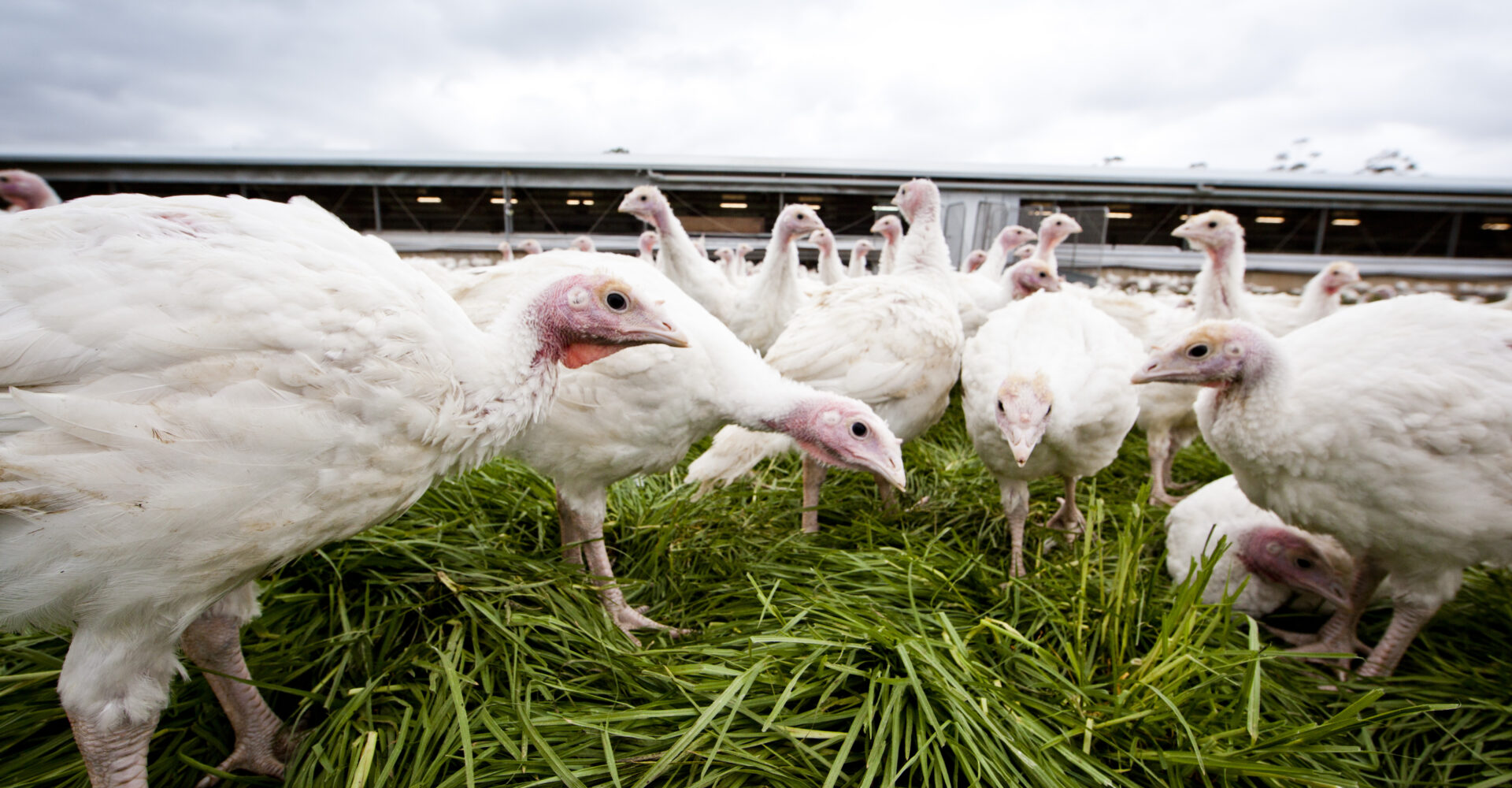
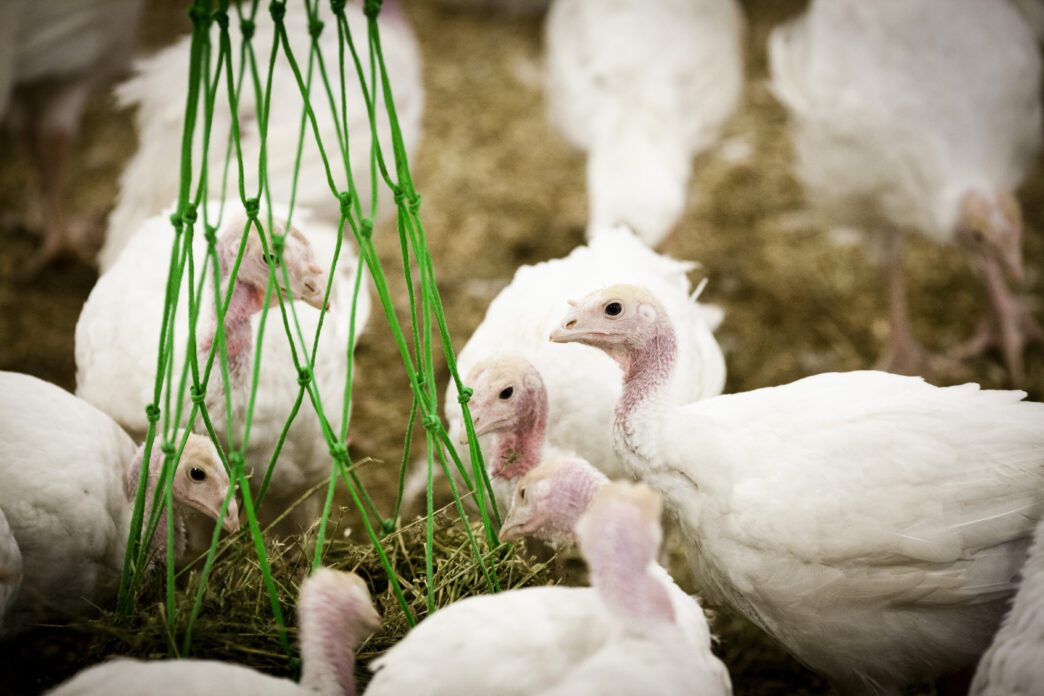
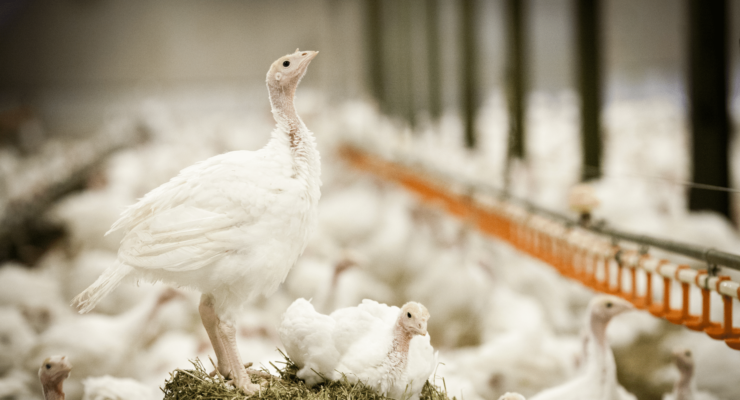
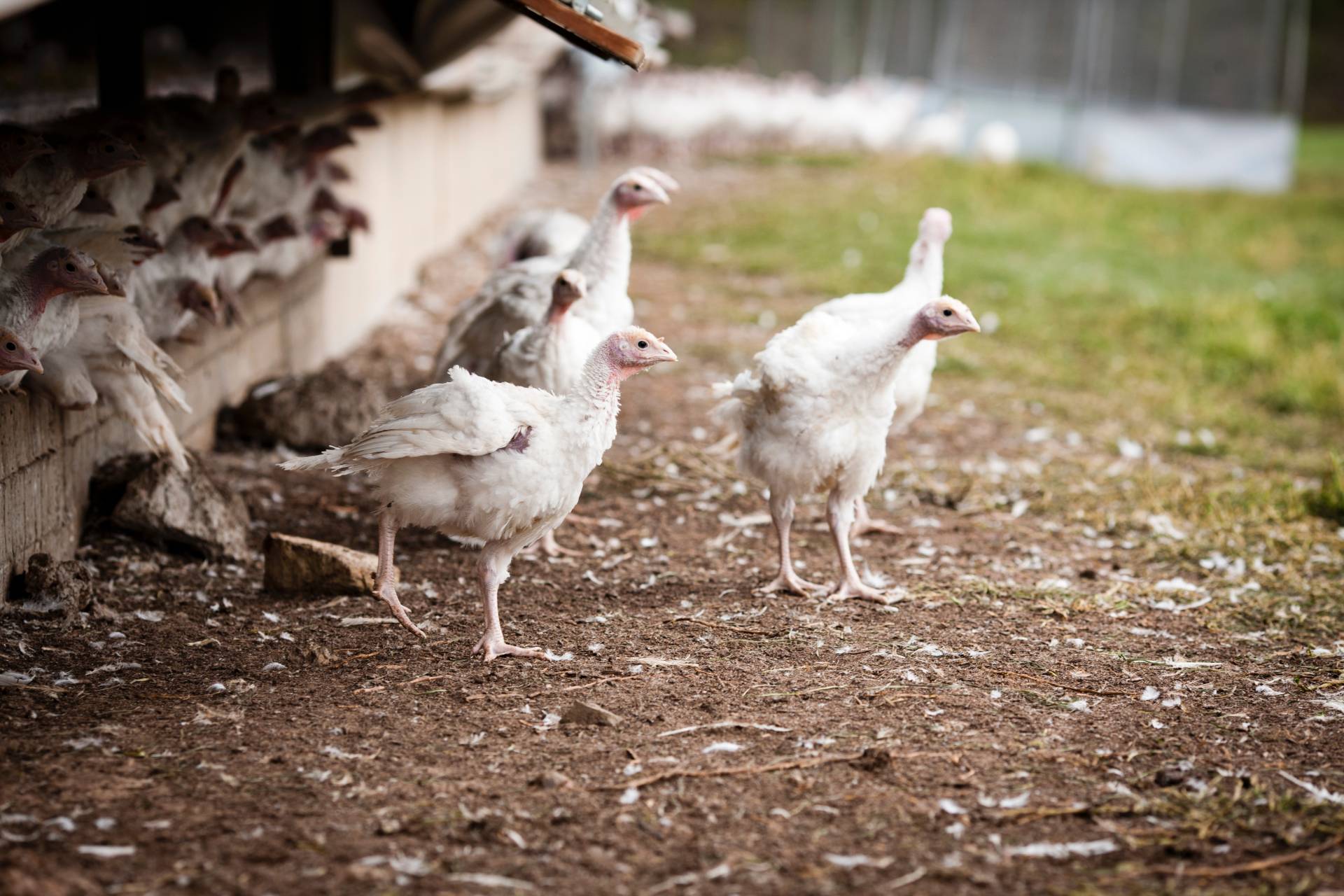
Turkeys on RSPCA Certified farms have more room to move and socialise, perches to build stronger bones and muscles, dry friable litter for dustbathing. Additionally, they are not subjected to painful husbandry procedures such as desnooding, dewinging and toe trimming.
Free-range RSPCA Certified turkey farms also need to meet additional requirements to make sure the outdoor range is inviting and attractive to turkeys, including shade and vegetation.
Farm Assessments
RSPCA Certified turkey farms are assessed annually by specially trained RSPCA Assessors, with additional unannounced assessments on top of a routine assessment.
All RSPCA Certified turkey abattoirs have an annual unannounced assessment.
Legal requirements for Turkeys
The RSPCA Australia Standard and corresponding certification from RSPCA Certified is just one way the RSPCA works to improve turkey welfare, and ongoing improvements are still needed, particularly to lift minimum legal requirements for farmed animals.
Over the past 50 years, turkey breeding companies have been selecting for production traits such as fast growth, large breast and thigh muscles, and feed efficiency. Similarly to meat chickens, this selection pressure has resulted in significant welfare problems for turkeys.
For turkeys, the RSPCA advocates for legal minimum standards that require selection of breeds for slower growth, provision of more space and adequate lighting in sheds, an environment that includes opportunities for performing natural behaviours, and improved stockpersonship, handling and slaughter.
For more information about key welfare issues for turkeys, and how RSPCA continues to advocate for improvements, visit the RSPCA Australia knowledgebase.
| Legal minimum | RSPCA Certified |
|---|---|
| Up to 46 kg/m2 depending on shed ventilation type | 28-35kg/m2 depending on shed ventilation type. |
| No minimum light or dark period, and minimum light intensity of 2 lux. | From 3 days of age continuous minimum light period of 8 hours, at 20 lux average intensity. Continuous minimum dark period of 4 hours. A minimum of 6 hours total darkness. |
| No minimum requirement for floor substrate (litter) depth. | Dry, friable litter managed and maintained at a depth of 75mm during growing. |
| Providing perches is not legally required. | 10m per 1000 birds. |
Case Studies
Related Articles
Deck the Halls with Higher-Welfare Celebrations
Talking Turkey about Higher Welfare at ALDI
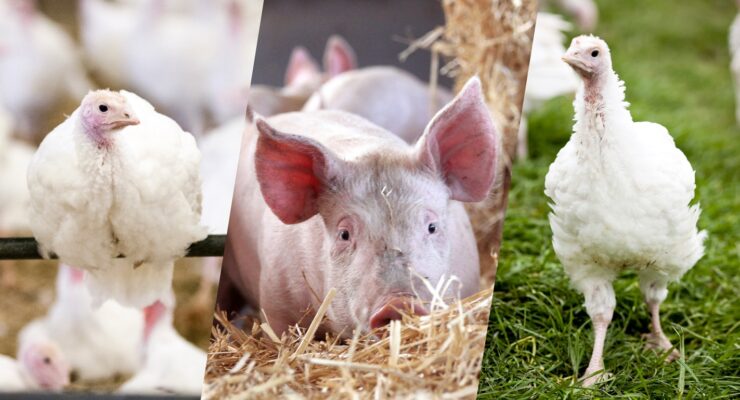
How You Can Support Pig and Turkey Welfare This Christmas
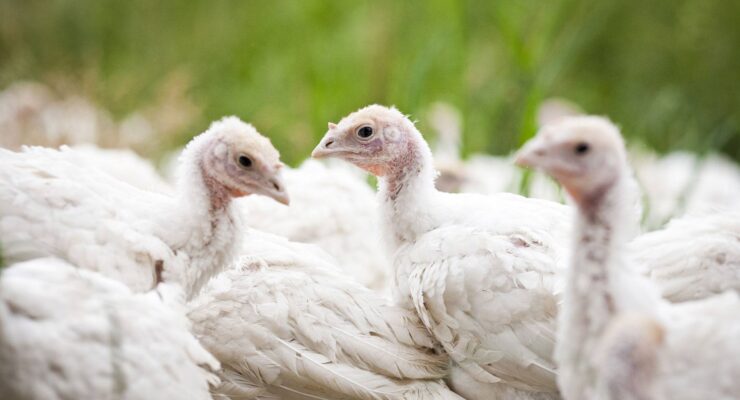
How to Support Better Farm Animal Welfare this Holiday Season
Ready to shape the future of higher-welfare farming?