
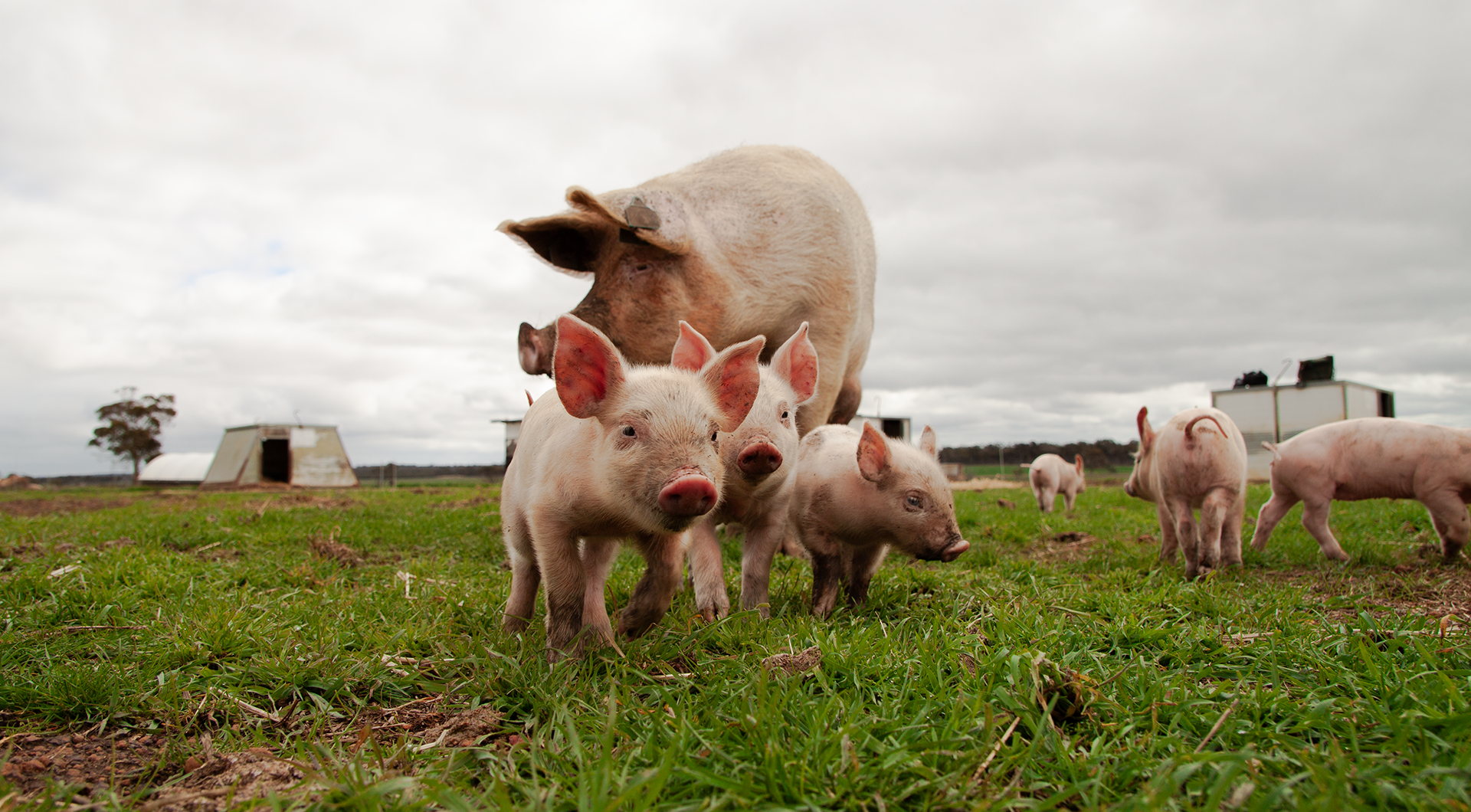
The instinct to nurture, protect and care for young looks different for different animals. For farm animals, these maternal behaviours are deeply ingrained. From a layer hen carefully selecting a secluded nest, to a sow building a safe space for her piglets, these behaviours are driven by biology and are essential to both the mother and her offspring.
When animals are unable to express these highly-motivated behaviours, it can lead to stress, frustration and compromised welfare. That’s why providing environments that support maternal instincts is such an important part of improving the lives of farm animals.
The RSPCA Australia Standards are developed with a focus on providing opportunities for highly motivated behaviours, allowing opportunities for positive experiences By working with producers to go beyond minimum legal requirements, the standards ensure farmed animals have the space, environment and care they need to express behaviours that matter to them – including those tied to caring for offspring.
Pigs: Nest building and maternal care
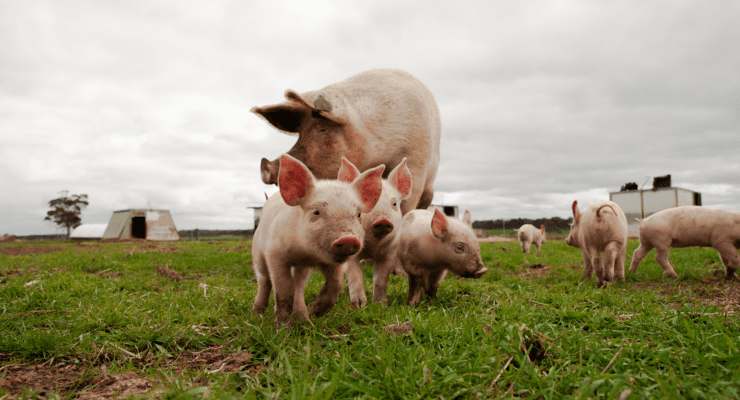
In the days leading up to giving birth, pregnant sows prepare a comfortable, safe environment for their young. They are driven to root, dig, turn, and build a nest, using available materials to create a safe space for their piglets. This behaviour is triggered by hormonal changes in their bodies and plays an important role for preparing them for motherhood.
In most conventional farming systems, however, pregnant pigs (gilts or sows) are confined to farrowing crates in the days leading up to birth and throughout early motherhood. A farrowing crate, also known as a ‘piglet protection pen’, is a metal-barred crate that is similar in size to a sow stall but slightly narrower. Around a week before farrowing (giving birth), the sow is moved into a farrowing crate and kept there until her piglets are weaned at about 3–4 weeks of age. While in the crate, the sow can stand up and take a step forward or backwards, but she is unable to turn around.
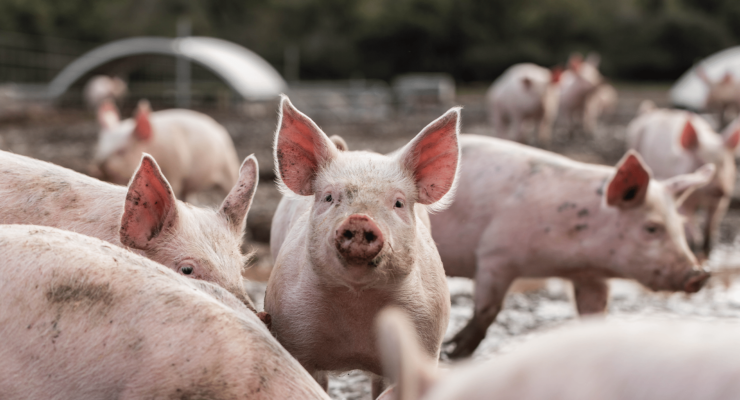
Pigs are extraordinarily clever and social animals, forming strong bonds with one another and becoming stressed when alone. For this reason, housing pigs in groups is a key factor in providing a positive environment for them. Being able to socially interact is important enrichment for pigs, and, just like us, each pig has unique personality traits, with some more vocal and rambunctious and others more laid-back in nature. Pregnant sows are unable to perform instinctual nesting behaviours in farrowing crates, as they can’t move freely and are not provided with bedding or nesting material. Farrowing crates have also been shown to increase stress and impair the pigs ability to rest properly, to control body temperature during farrowing, increasing the risk of heat stress, as well as being associated with an increased number of stillbirths and negative maternal behaviours.
At RSPCA Certified, improving the welfare of pigs starts with recognising the importance of highly-motivated behaviours, especially during motherhood. The RSPCA Australia Standard for Pigs includes 322 detailed requirements regarding space, bedding and environment, supporting pigs to carry out nesting behaviours and bond with their piglets. The RSPCA is opposed to the use of farrowing crates, as these systems significantly restrict movement and prevent sows from expressing key maternal behaviours. Moving towards free-farrowing systems would represent an important step forward for the Australian pig industry, allowing for better alignment between animal welfare and farming practices.
Nesting behaviour in layer hens: More than just laying an egg
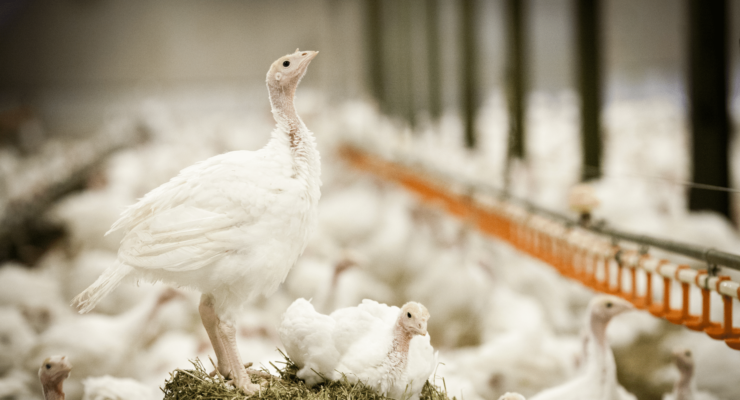
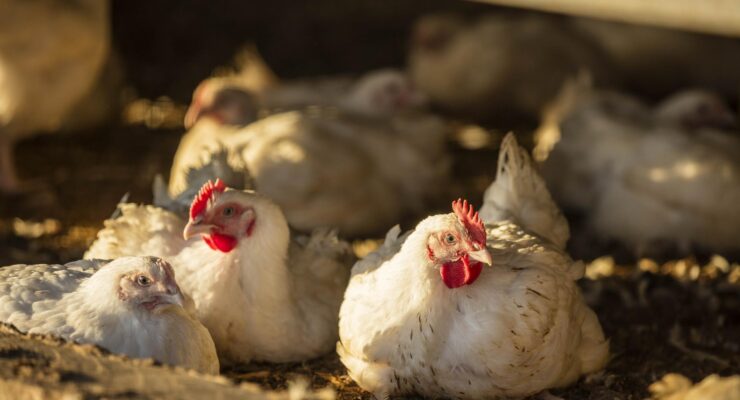
In the lead up to laying an egg, layer hens, like sows, experience a strong instinct to find a suitable place to nest. They will search for a quiet, enclosed space, often returning to the same spot before settling down and laying their egg.
Hens provided with nests have been shown to have lower stress and fear levels, as well as perform fewer problematic behaviours towards other hens, such as injurious feather pecking and aggression. Hens that are denied the opportunity to nest can become frustrated, aggressive towards other hens, and perform abnormal behaviours, such as pacing and going through the motions of nest building, every day before they lay their egg. This is one of the many reasons why, whether raised indoors or with access to a range, meeting the housing requirements for hens is greatly important, with both systems requiring ongoing, incremental improvements as farm animal science is developed and improved.
Layer hens are curious, intelligent, and social creatures, and need to have their physical and behavioural needs met to live a better quality of life. Producers who have achieved RSPCA certification raise their hens with a focus on their behavioural and physical needs, such as space to move, stretch and flap their wings, litter to dustbathe in, and secluded nest boxes to lay their eggs.
Sadly, still today over 5-million-layer hens in Australia remain confined to barren battery cages where these needs are not met. For decades, RSPCA Australia has advocated for a transition away from the use of barren cages, as they compromise hen welfare and lead to physical and psychological suffering. Implementing the RSPCA Australia Standard for Layer Hens through RSPCA Certified is one of the ways RSPCA Australia promotes better welfare for farm animals including ensuring hens have more room to move, quality enrichment and that their wellbeing needs are met. Cage systems of any kind are strictly prohibited under the standard and will not be certified.
Dairy Cows: The bond between cow and calf
Cattle in the dairy industry are predominately adult female cows who produce milk. These cows typically do this by having a pregnancy each year, giving birth to a calf, and then producing milk which is collected on farm and supplied to market. Generally, on a dairy farm, cows and their calves are separated within the first 24 hours. This is done to reduce the risk of disease spread and allows the farmer to more easily ensure that the calf is getting enough high-quality colostrum.
The separation of a new-born calf from their mother is stressful for both cow and calf, and the stress of separation increases the longer the calf has stayed with their mother. On the other hand, calves reared with (or with limited contact) to their mother, have been reported to display improved social behaviours and gain more weight. The mother’s health also benefits including a reduction in the risk of mastitis, a common and painful disease for dairy cow. To reduce separation distress, consideration could be given to a more gradual separation process whereby the calf is prevented from suckling but still has (some) physical contact.
Female calves will often be raised to become part of the milking herd, while male calves who don’t produce milk, are seen as surplus and are effectively a by-product of dairy farming. Every year around 300,000 non-replacement dairy calves (known as bobby calves) will go to slaughter at around 5-10 days old. To improve the quality of life of these calves, the RSPCA has developed the RSPCA Australia Standard for Dairy Calves, informed by animal welfare science, and with consideration to feasibility in the Australian context. Focused on their behavioural and physical requirements, the Standard includes 319 unique requirements for non-replacement dairy calves including low-stress handling, providing enriched group housing and with the opportunity for positive experiences. with the opportunity for positive experiences.
We know that Australian’s care about the welfare of dairy calves and cattle, so if you’re a conscious consumer and would like to see positive change in the dairy industry, contact the maker of your favourite dairy product, veal brand or supermarket and ask them about animal welfare on their farms.
Standards that drive continuous improvements
With hundreds of detailed requirements across each standard, and a strong foundation in science and welfare research, RSPCA Certified is designed to drive continuous improvement on Australian farms.
While there is still progress to be made across the industry, encouraging producers that prioritise animal welfare is one way to contribute to better outcomes for farmed animals.
When it comes to caring for offspring, protection and nurturing are important natural behaviours. Giving farmed animals the opportunity to express maternal behaviours helps meet their behavioural needs and supports better welfare for both mothers and their young.

1 Comment
wish you all the best