Every dairy product begins with a calf.
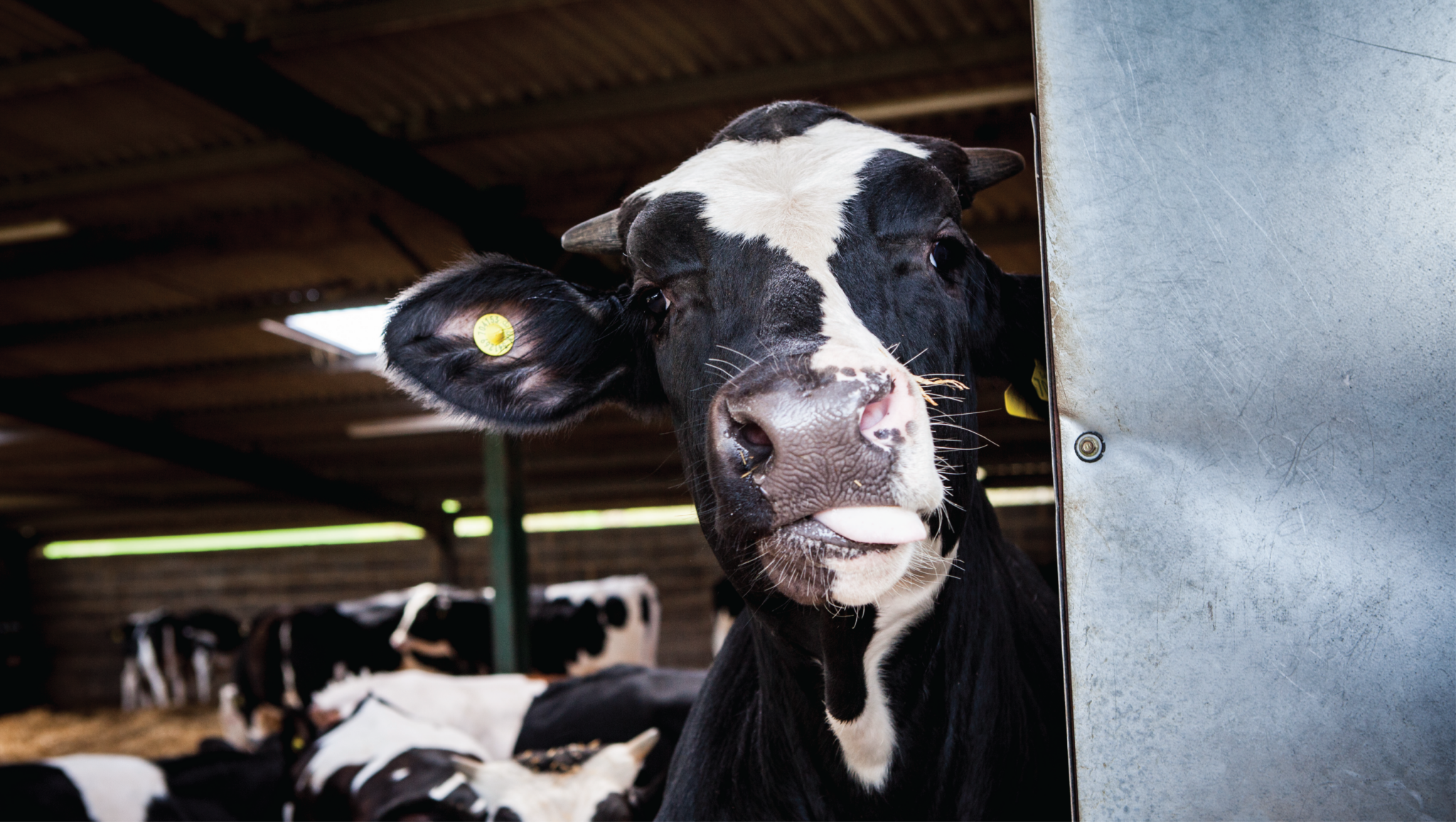
For a dairy cow to produce milk, she must first give birth. While some calves are raised to become the next generation of milking cows, many are not required for the dairy herd. These animals, known as non-replacement or bobby calves, are at the centre of one of the most complex welfare challenges facing the Australian dairy industry.
Understanding Dairy Calves: Replacement, Bobby and Veal Calves
Not all calves born on dairy farms have the same future.
Replacement heifer calves are females retained to join the milking herd after they have their first calf.
Bobby calves are non-replacement calves that are surplus to the core milking operation. These calves may be males or surplus females and are often sent to slaughter within the first week or two of life. An alternative to this is to raise non-replacement calves to an older age for veal or beef, allowing them to grow and develop beyond the first weeks of life. Increasing demand for higher-welfare dairy veal and dairy beef systems has the potential to reduce the number of calves treated as a by-product of dairy production and support better welfare outcomes.
Welfare Challenges Facing Dairy Calves
Young calves are particularly vulnerable in their first stages of life, and require specialised care to support their health, growth and wellbeing. One of the most important welfare considerations is ensuring calves receive adequate colostrum shortly after birth. Colostrum provides essential nutrients and antibodies that help protect calves from disease during the critical first weeks of life.
Housing, nutrition and social interaction also play an important role. Calves benefit from environments that allow them to move freely, interact with other calves and engage in important behaviours such as play and resting in a comfortable area protected from the elements.
Like other cattle, dairy calves may also undergo painful husbandry procedures such as horn removal, castration (for male calves raised for beef production), and removal of extra teats to facilitate machine milking. Procedures such as disbudding (removal of the growing horn ‘bud’ within the first eight weeks of life) are commonly performed to reduce the risk of injury to other animals and handlers later in life. Research shows these procedures cause significant pain and inflammation, highlighting the importance of effective pain management. There is growing use of polled (hornless) genetics in the Australian dairy industry, though there are currently still limited supplies of polled dairy breed bulls available.
The RSPCA encourages reducing the need for painful procedures wherever possible through improved breeding, management practices and innovations. Where procedures are necessary, they should be performed at the earliest appropriate age by trained operators using effective pain relief.
Raising the Bar through RSPCA standards
To improve welfare outcomes within the dairy industry, RSPCA Australia developed the RSPCA Australia Standard for Dairy Calves.
The standards go beyond the legal minimum requirements and focus on the specific needs of young calves. For example, calves must receive colostrum to support immunity, be housed in groups rather than individually, and be provided with appropriate nutrition and housing environment.
the requirements of the standard include:
- Four litres of colostrum over the first two feeds within 12 hours of birth.
- An additional two litres within the following 12 hours.
- Group housing to encourage social interactions.
- Chopped hay as part of their diet from 21 days of age.
- Resources such as brushes before gaining outdoor access.
While there are currently no producers certified under the RSPCA Australia Standard for Dairy Calves, RSPCA Australia continues to encourage practical pathways that allow more calves to be raised under higher-welfare systems. Consistent and enforceable standards of care have the potential to significantly improve the lives of these animals and help address the dairy industry’s most pressing welfare challenges.
Looking ahead
Every calf born into the dairy industry deserves care that meets their physical and behavioural needs for good welfare. By pushing for higher-welfare standards, encouraging alternatives to painful procedures and supporting pathways for non-replacement dairy calves to be raised for dairy veal or beef, RSPCA Australia is working towards a future where fewer calves are treated as surplus animals.
Together, producers, retailers and consumers can help drive demand for farming systems that prioritises animal welfare and support meaningful change for dairy calves across Australia.
To be a part of the movement to higher welfare for cattle in the dairy industry by asking any of these questions to your favourite dairy producer:
- Do you breed polled cattle, or if disbudding is performed, is it done with effective anaesthetic and pain relief?
- How do you manage colostrum feeding to ensure calves receive sufficient intake in the first 12-24 hours of life to support passive immunity?
- Are calves housed in social groups rather than individually, and from what age are they grouped?
- What pathways do you use for non-replacement calves, for example, are they raised for dairy beef or veal systems rather than processed as bobby calves?
If you would like to learn more and see our current Standard for non-replacement dairy calves’ checkout our website: