RSPCA Certified
Meat Chickens
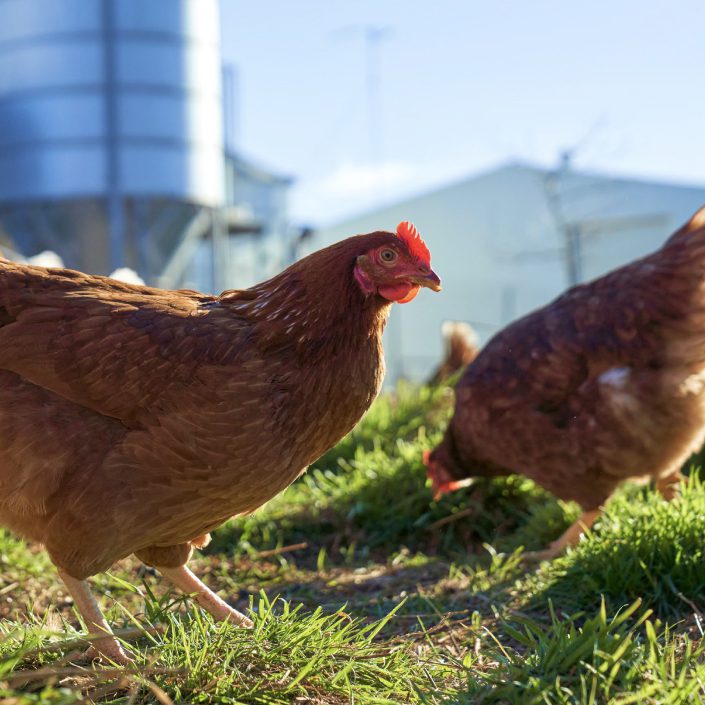
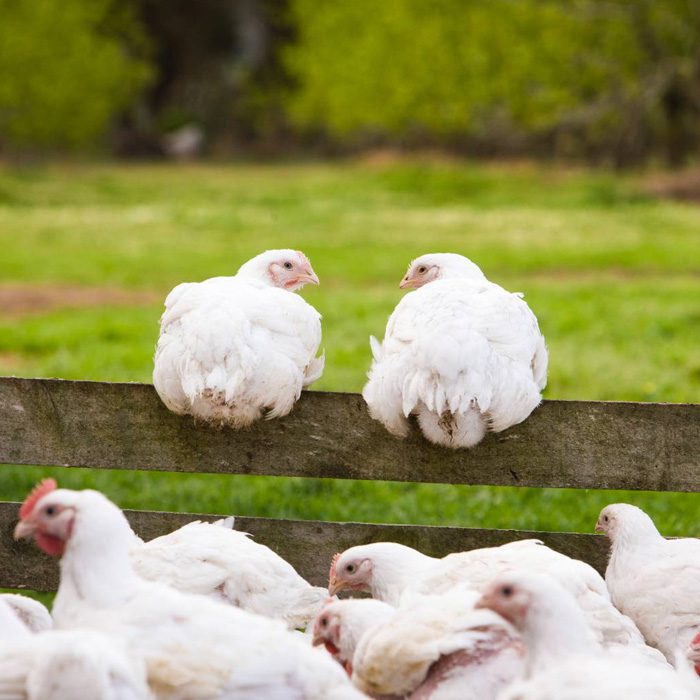
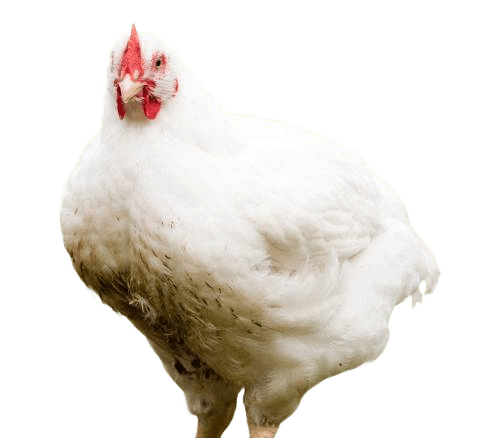
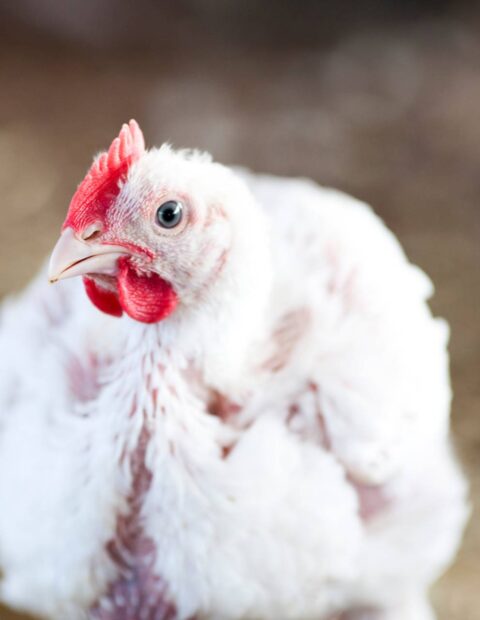
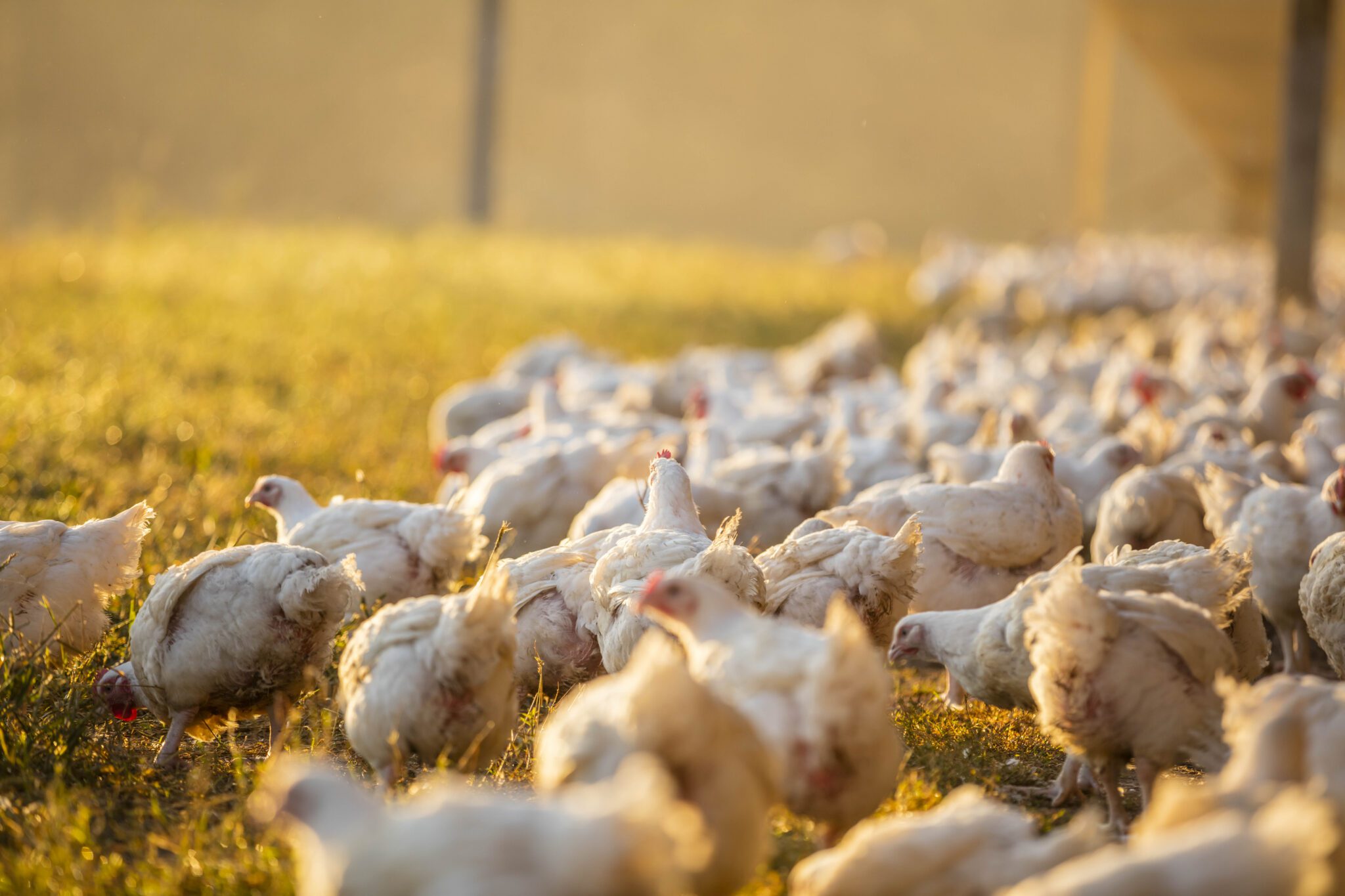
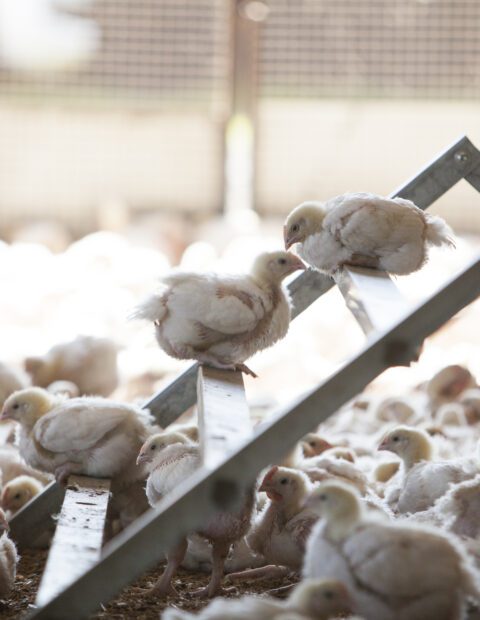
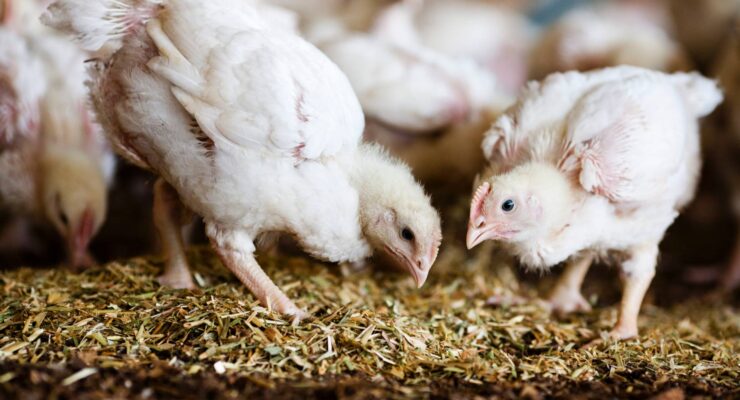
For meat chickens on RSPCA Certified farms there is a focus on encouraging them to be active and express natural behaviours. By providing more space, friable litter for scratching and dust bathing, pecking objects, access to perches, lighting to encourage activity, and a period of darkness to rest properly, RSPCA Certified meat chickens build muscle and bone strength and have a better environment indoors than what is legally required.
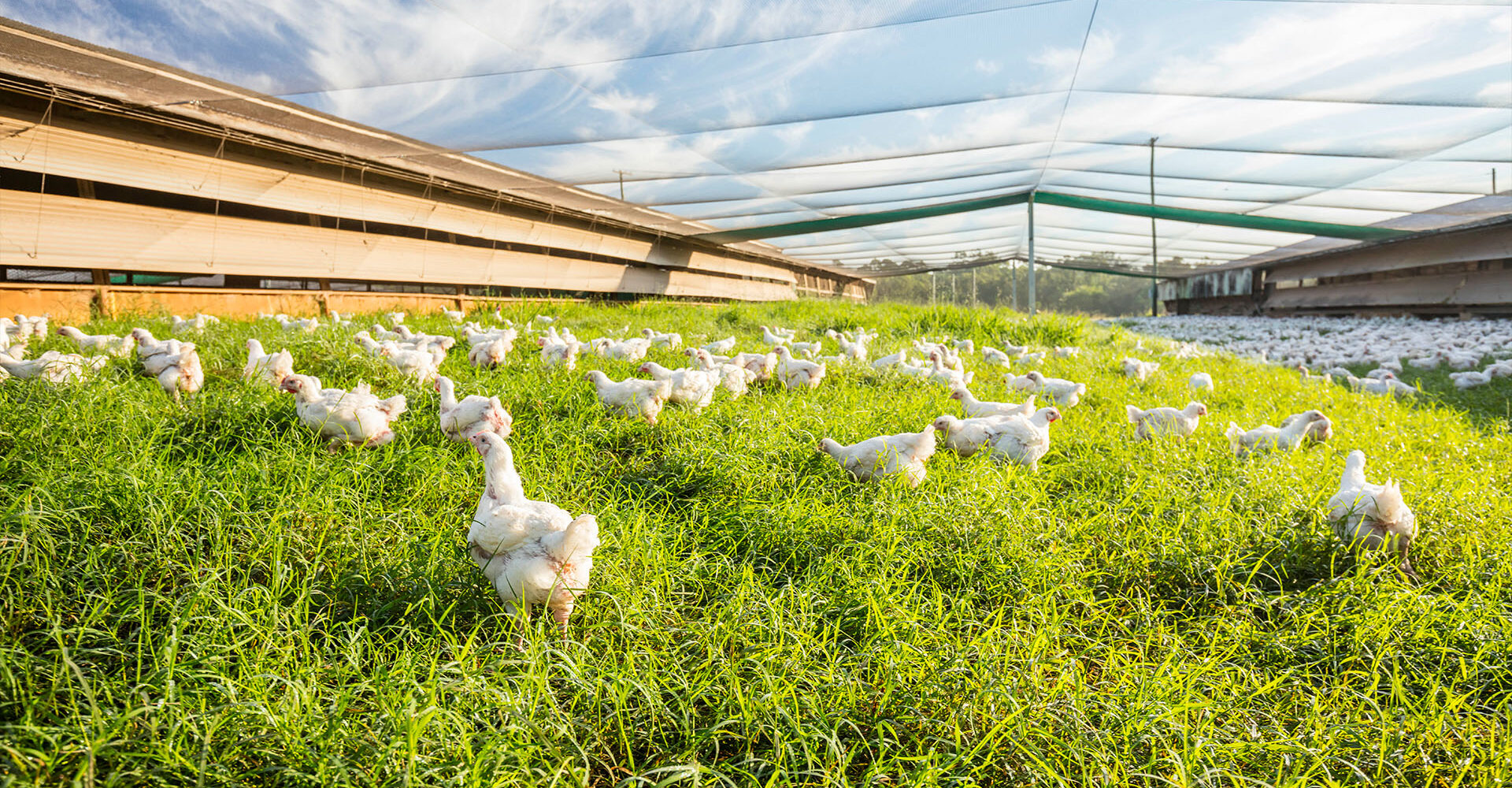
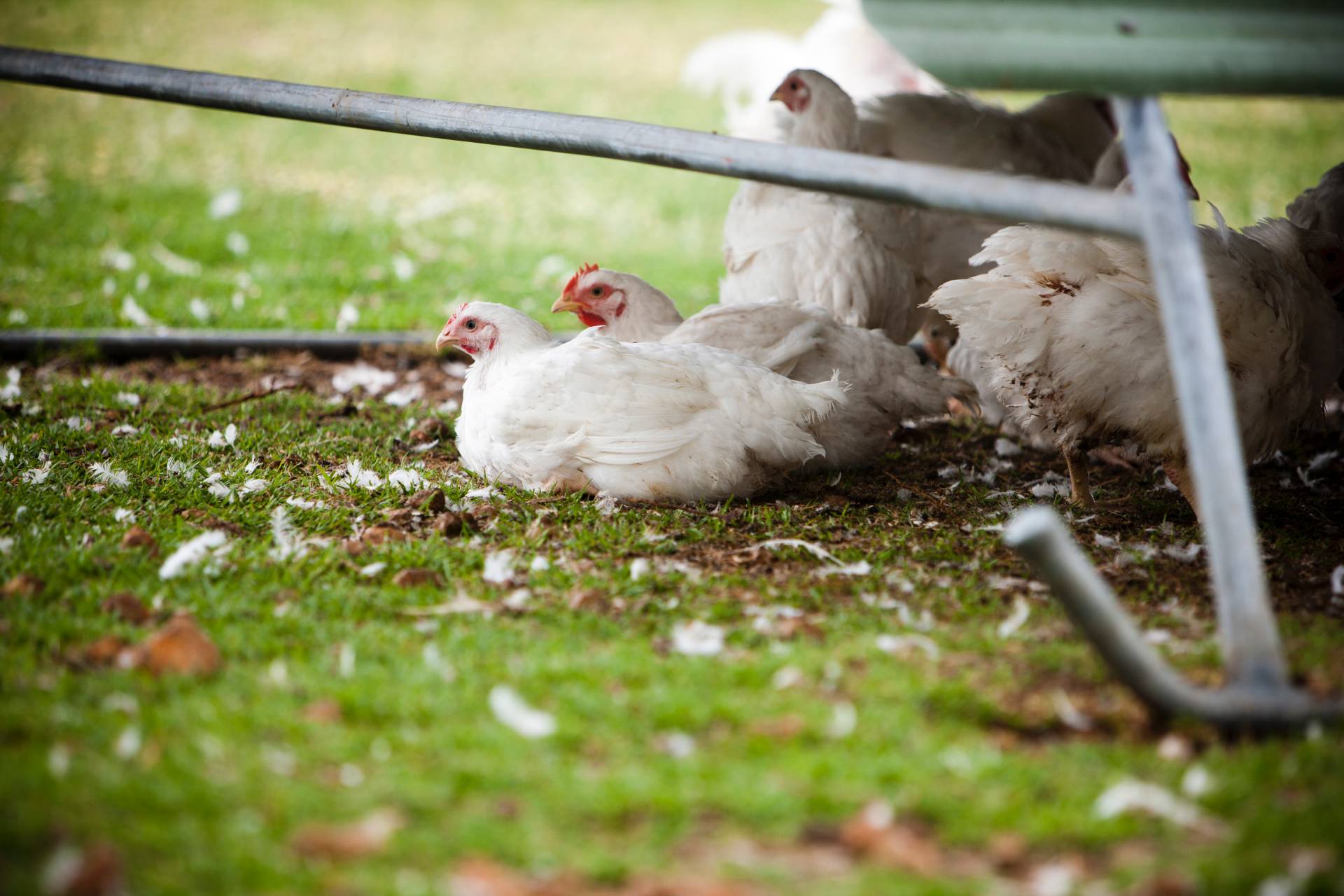
Free-range RSPCA Certified chicken farms also need to meet additional requirements to make sure the outdoor range is inviting and attractive to meat chickens, including shade and vegetation.
Farm Assessments
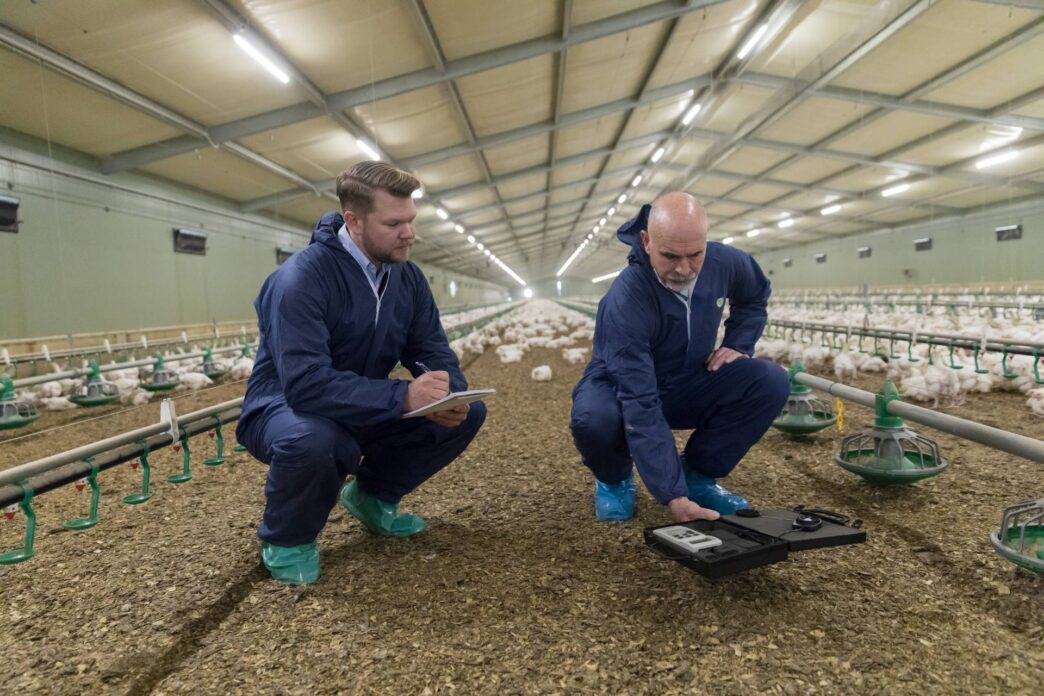
RSPCA Certified chicken farms are assessed annually by specially trained RSPCA Assessors, with additional unannounced assessments on top of a routine assessment. All RSPCA Certified chicken abattoirs have an annual unannounced assessment.
Legal requirements for Meat Chickens
The RSPCA Australia standard and corresponding certification from RSPCA Certified is just one way the RSPCA works to improve meat chicken welfare. There are a number of serious welfare issues that the RSPCA is concerned about when it comes to how chickens are raised for meat and ongoing improvements are still needed.
For example, the fast-growing meat chicken breeds used in Australia today, have an increased risk of skeletal abnormalities, lameness, metabolic diseases and mortality, and may be unable to support the rapid growth for which they’ve been genetically selected.
While issues such as poor housing and inadequate space can be addressed over the life of the bird, there are limitations to mitigating the inherent welfare impacts of these genetic selection decisions.
For more information about key welfare issues for meat chickens, and how RSPCA continues to advocate for improvements, visit the RSPCA Australia website.
| Legal minimum | RSPCA Certified |
|---|---|
| Stocking density is up to 40 kg/m2 depending on shed ventilation type and season. | Stocking density is 28-34kg/m2 depending on shed ventilation type. |
| Perches not legally required. | 2.7m of perching per 1,000 birds from 7 days of age. |
| No minimum requirement for floor substrate (litter) depth. | Dry, friable litter managed and maintained at a depth of 50mm. |
| No minimum light or dark period, and minimum light intensity of 2 lux. | Continuous minimum light period of 8 hours, at 20 lux average intensity. Continuous minimum dark period of 4 hours. With a minimum of 6 hours total darkness. |
Case Studies
Related Articles
The next step on the pathway to higher welfare farming
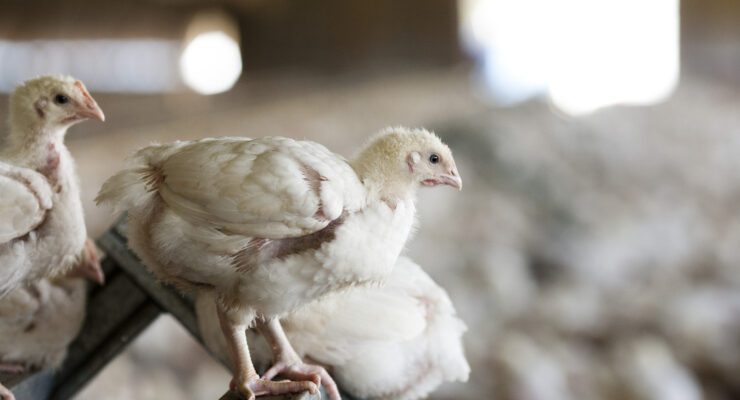
Avian Influenza: An Update for RSPCA Certified Farms
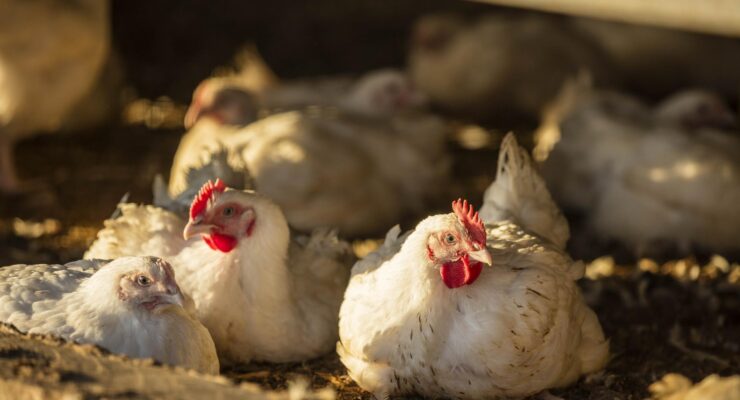
The Family-Owned Business Prioritising the Needs of Inquisitive Birds
Hazeldenes Long Standing Commitment to Higher Welfare
Ready to shape the future of higher-welfare farming?