RSPCA Certified
Eggs
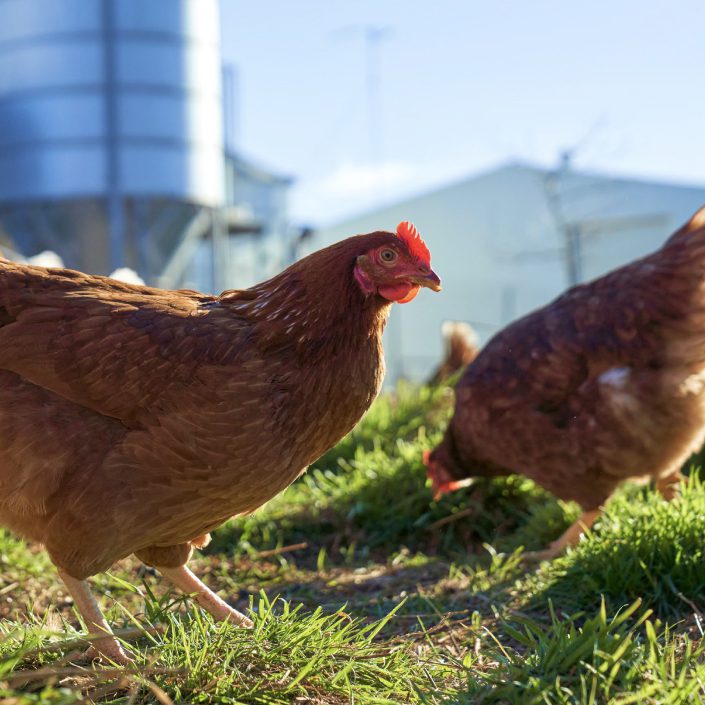
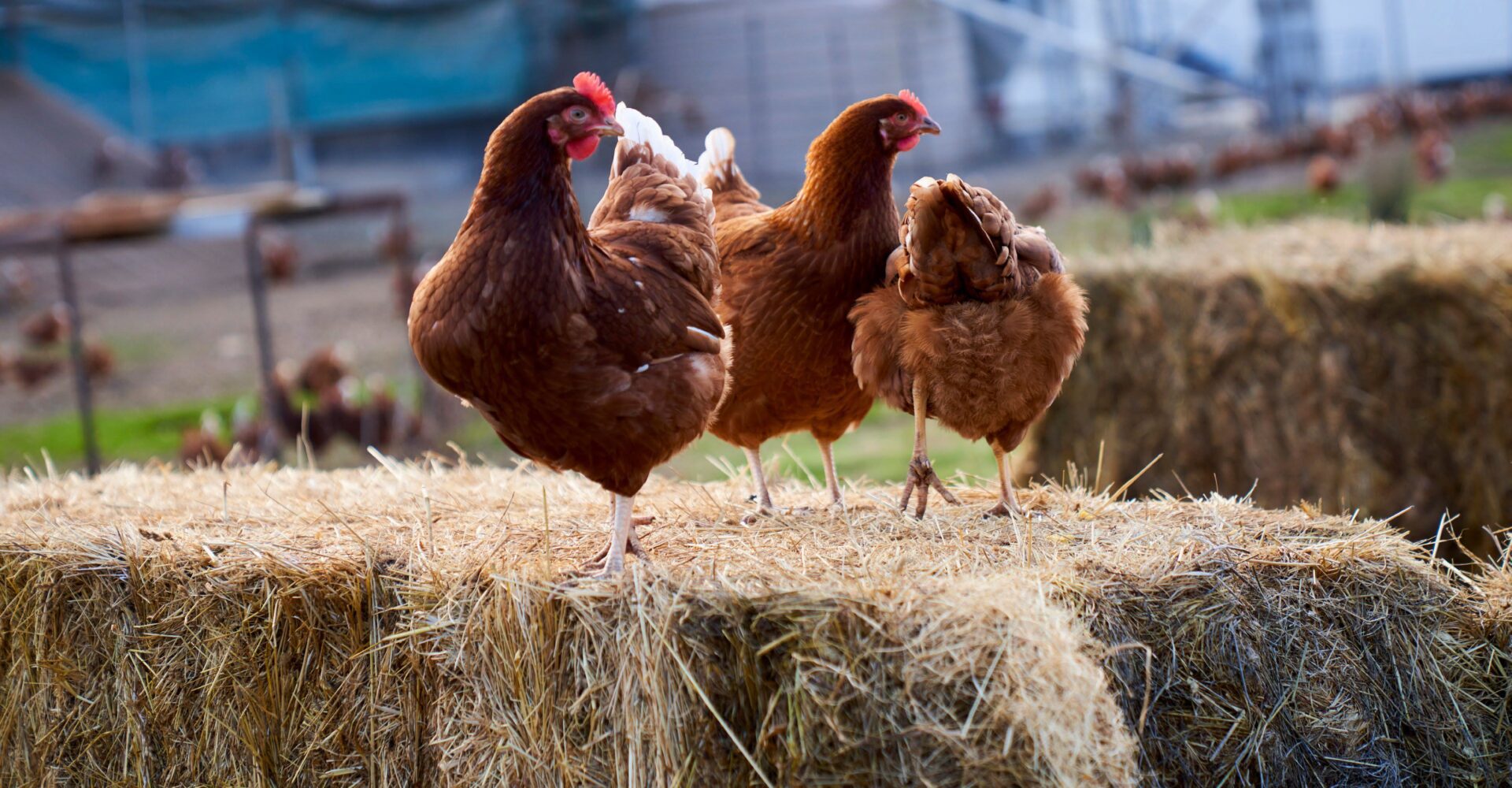
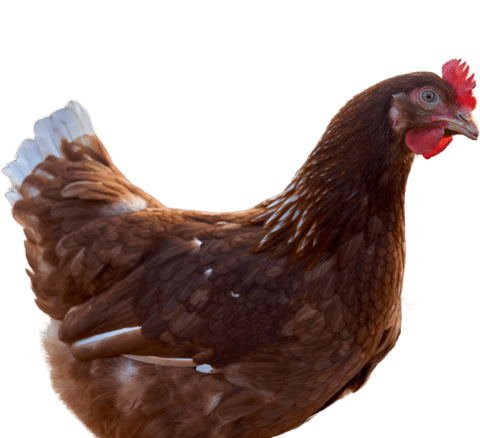
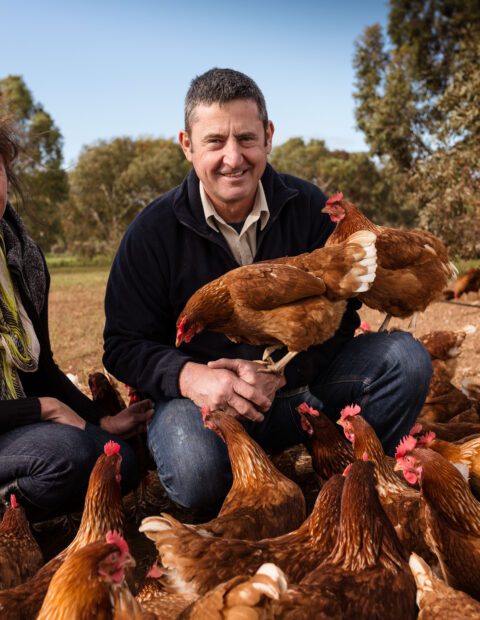
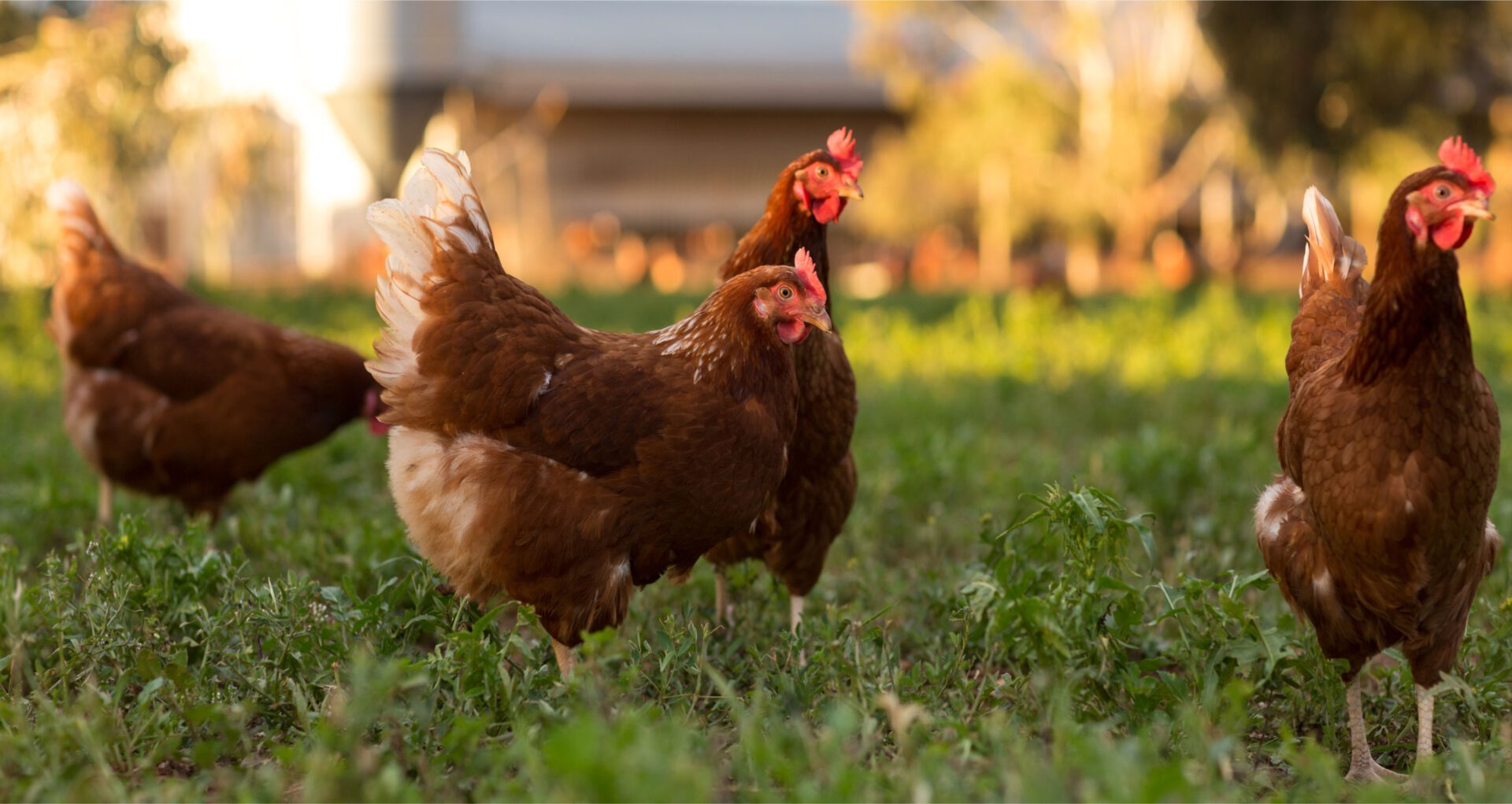
For layer hens on RSPCA Certified egg farms, cages are strictly prohibited. Requirements of RSPCA Australia Standard for Layer Hens stipulate lower stocking densities in both barn and free-range systems, meaning hens have more space to move freely, stretch their wings and socialise.
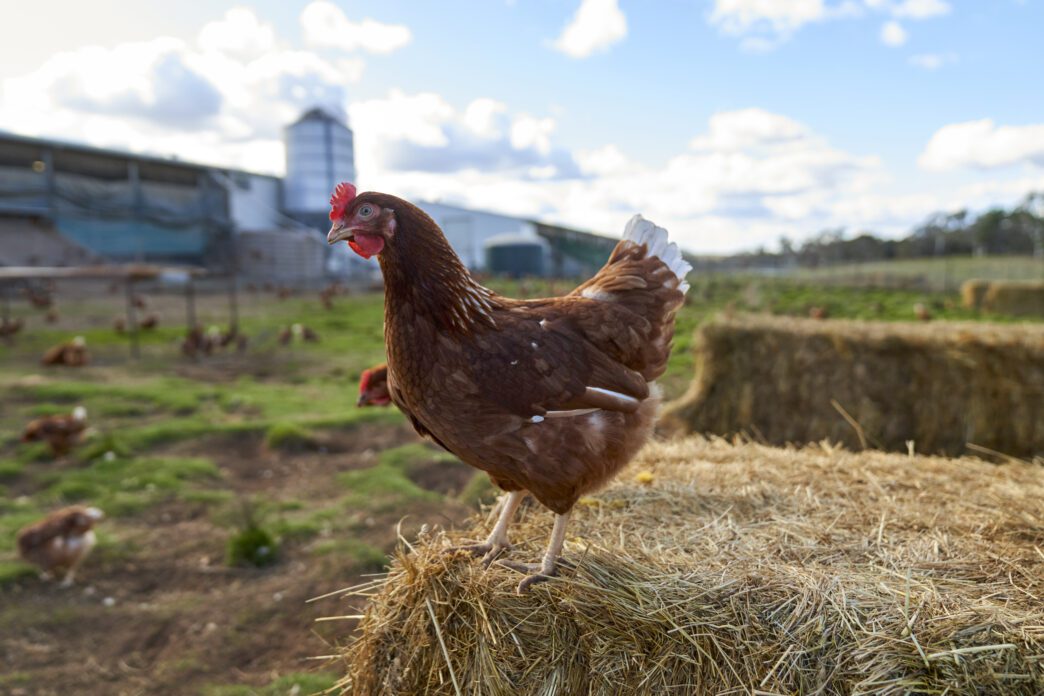
The standard provides hens with further opportunity to carry out important behaviours, with litter for dustbathing and scratching, perches for roosting, and nest boxes for laying their eggs. All with improved management and care throughout their lives.
Farm Assessments
RSPCA Certified egg farms are assessed annually by specially trained RSPCA Assessors, with additional unannounced assessments on top of a routine assessment.
From 1 July 2026, abattoirs that process hens at the end of their laying cycle will be subject to annual unannounced assessments.2026, abattoirs used to process spent hens (hens at the end of their laying cycle who no longer produce eggs) will also be assessed annually, and these abattoir assessments will always be unannounced.
Legal requirements for Layer Hens
The RSPCA Australia Standard and corresponding certification from RSPCA Certified is just one way the RSPCA works to improve layer hen welfare. But for millions of layer hens in Australia, there are numerous welfare concerns that need to be addressed.
The national Animal Welfare Standards and Guidelines for Poultry (which is proposed to underpin state and territory legislation) include a phase out of barren battery cages no later than 2036. However, the Standards are yet to be implemented in most states and territories, with the exception of WA, which implemented the standards in 2024.
In the ACT battery cages have been prohibited since 2014. RSPCA Australia would like to see all states and territories commit to implementing the national Animal Welfare Standards, as soon as possible.
Additionally, the RSPCA would like to see improvements to outdoor ranges including more shade to encourage use of outdoor areas, further decreases in indoor stocking densities and alternative management strategies to reduce feather pecking.
For more information about key welfare issues for layer hens, and how the RSPCA continues to advocate for improvements, visit the RSPCA Australia website.
| Legal minimum | RSPCA Certified |
|---|---|
| Stocking density is currently 18 birds per m2 in cages, however proposed regulation requires 13 birds per m2 in cages, with a phase out of battery cages by 2036. Max 15 birds per m2 in the shed for either barn or free-range systems. |
Cages are strictly prohibited. Stocking density must be a maximum of 7 birds per m2 for floor-based sheds or 9 birds per m2 where there is outdoor access. Max 9 birds per m2 for multi-level sheds. |
| Currently perches not legally required, however proposed legislation requires 15cm perching space per bird. | Birds must have access to a minimum of 150m of perches per 1000 birds, (equates to 15cm per bird) at a variety of heights. |
| In conventional cages hens stand on wire and have no access to litter. In barn or free-range system, shed flooring consists of plastic slats; providing litter is not required. |
Dry, friable litter managed and maintained and accessible from placement unless there is access to outdoor area. Litter must cover at least 1/3 of floor in floor-based shed and be deep enough for birds to dust bathe and forage. |
| No legal requirement for monitoring against legislation. | Specially trained RSPCA Assessors visit farms once a year with unannounced assessments on top. |
Case Studies
Related Articles
The next step on the pathway to higher welfare farming
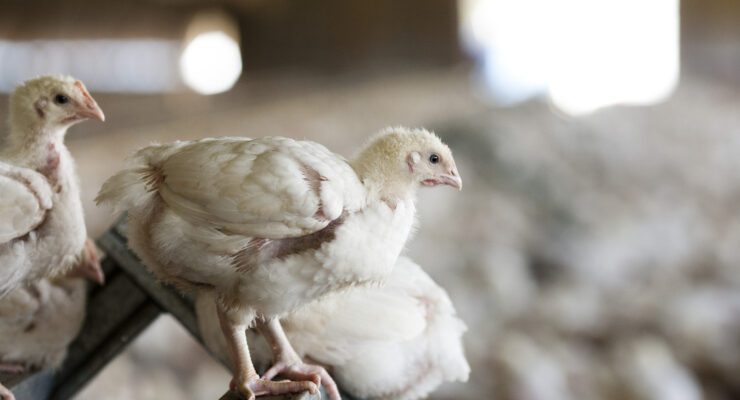
Avian Influenza: An Update for RSPCA Certified Farms
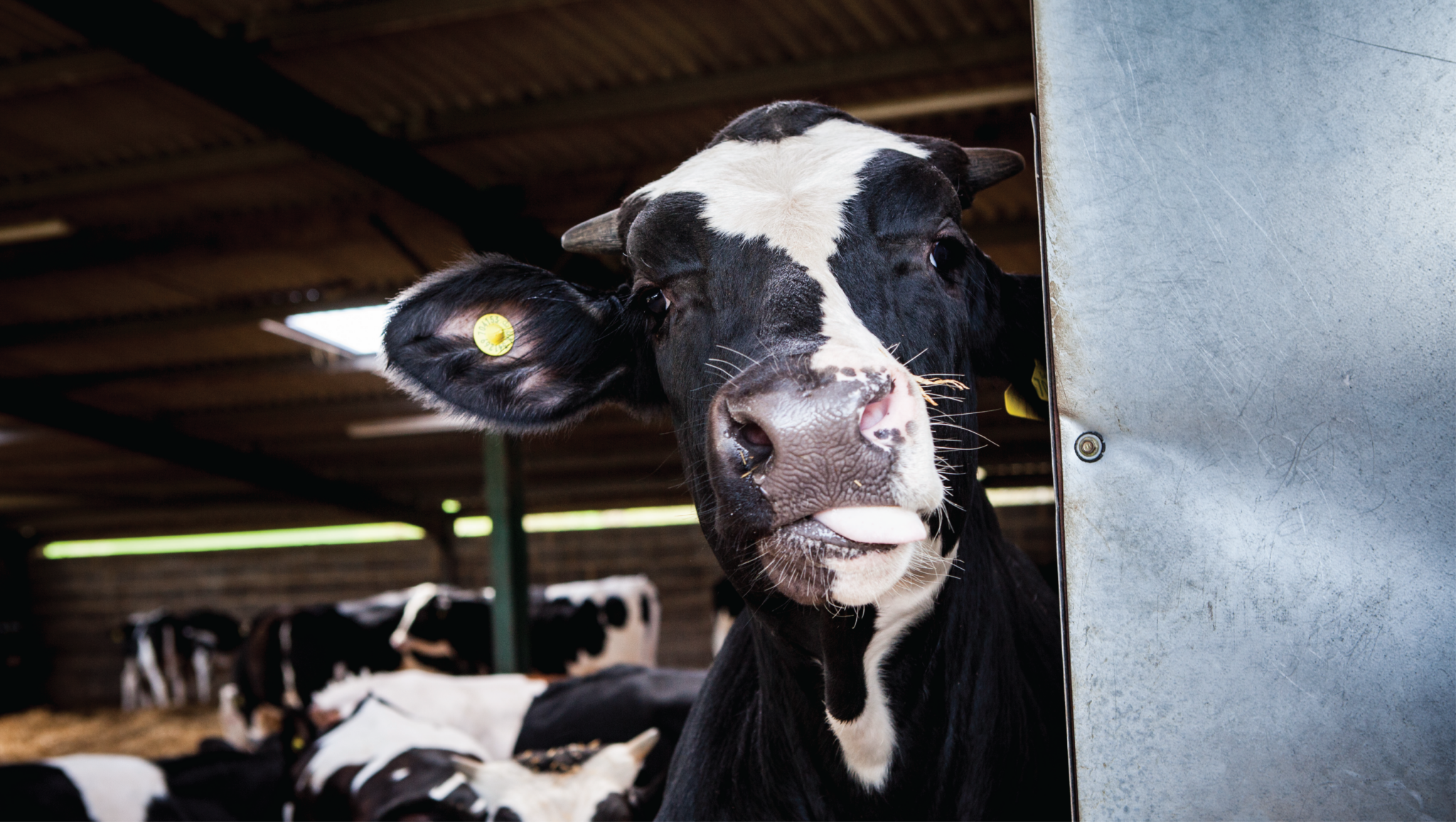
Dairy Welfare in Focus
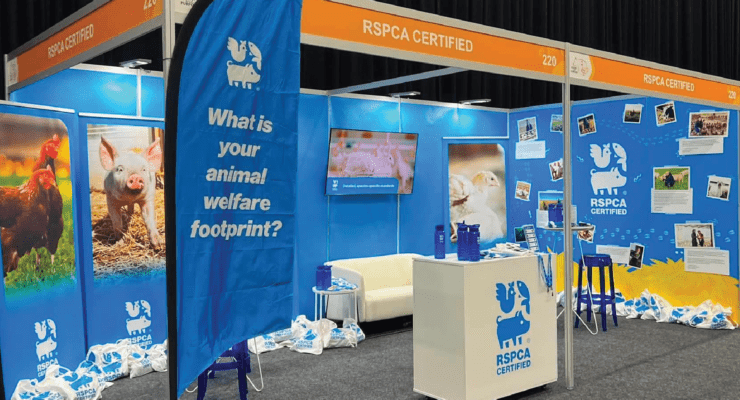
That’s a wrap! Food with Purpose 2026
Ready to shape the future of higher-welfare farming?