How We Operate
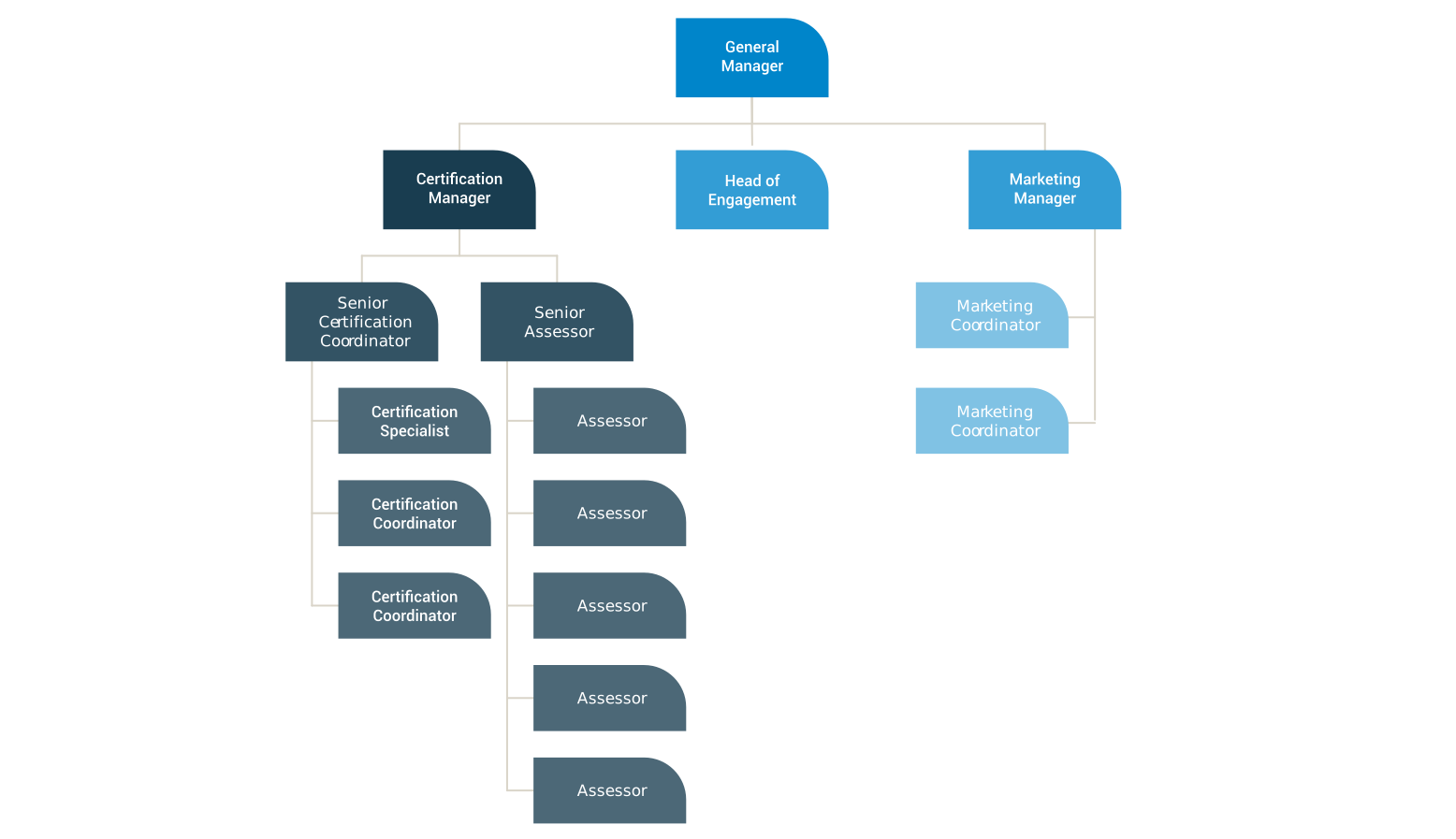
RSPCA Certified is business unit of RSPCA Australia and is led by a General Manager who reports to the CEO of RSPCA Australia and works closely with the RSPCA Australia Board and its various committees.
How We're Funded
RSPCA Certified is not funded by donations to the RSPCA or general RSPCA revenue. It is self-funded by fees charged for assessments and licensing of the RSPCA Certified brand. These funds are quarantined and used only within RSPCA Certified to improve farm animal quality of life through the program. You can read more about the team within RSPCA Certified and our financial information in Impact Reports.
RSPCA Certified is independent of state and territory RSPCA Inspectorates that enforce existing animal protection legislation on behalf of their respective state and territory governments. Producers choose to be RSPCA Certified because they are looking to meet animal welfare standards above and beyond legal requirements, and want independent certification for this.
1996
The RSPCA Accreditation Scheme is established
The RSPCA establishes the RSPCA Accreditation Scheme and releases its first animal welfare standard, focused on improving the lives of Australia’s egg-laying hens.
The first egg farm achieves RSPCA’s certification.
2001
The RSPCA releases an animal welfare Standard for pigs
The introduction of RSPCA Standard for pigs in 2001 reflected a need to address serious welfare issues in intensive pig farming, including extreme confinement, barren surroundings and painful husbandry procedures.
2003
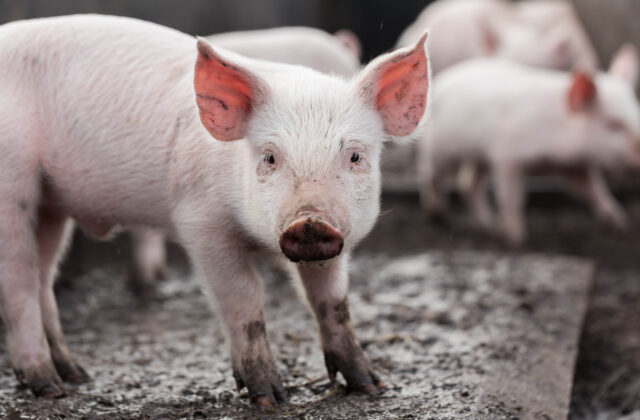
The first pig producer joins the program
2005
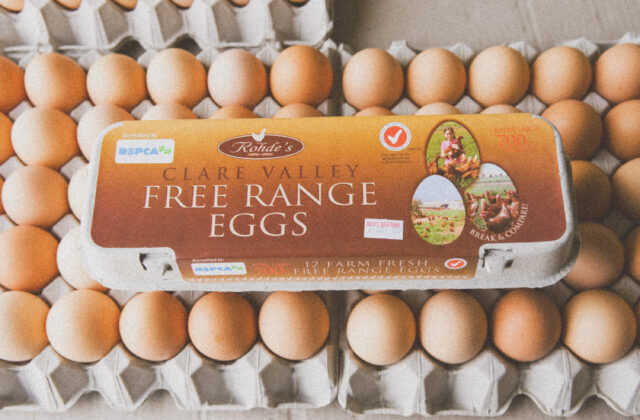
Rohde Egg Co achieves RSPCA certification
2009
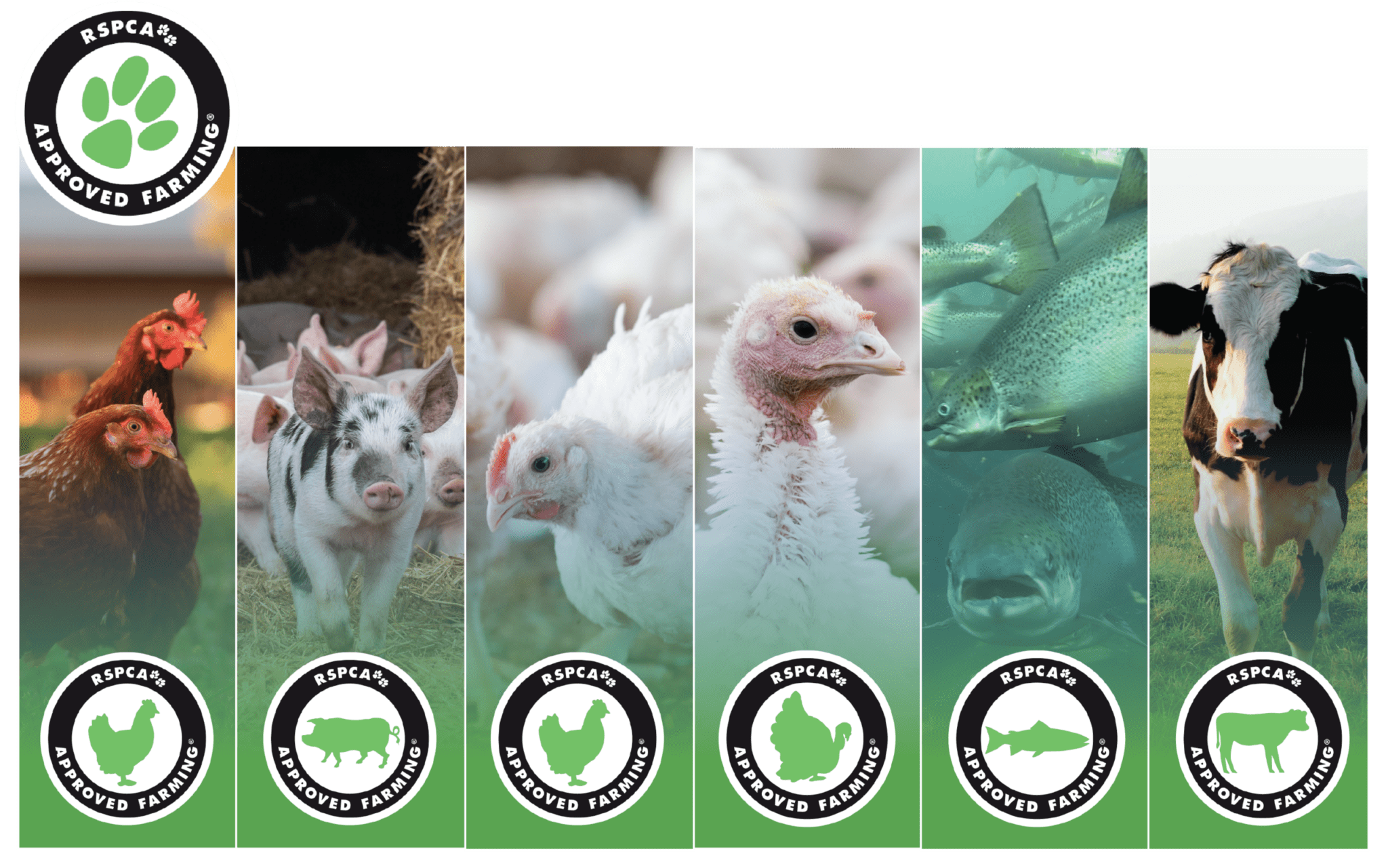
RSPCA Approved Farming Scheme
After the program’s first external review, the RSPCA Accreditation Scheme is rebranded to the RSPCA Approved Farming Scheme.
2010
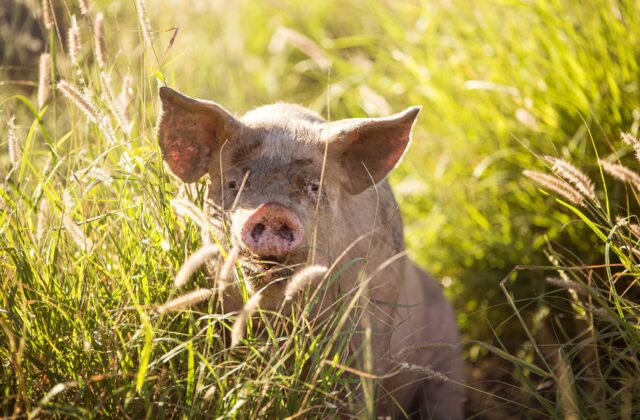
Coles sources RSPCA Approved pork
For the first time, a major Australian supermarket sources RSPCA Approved pork for a product line under their own brand. To this day, Coles is the only supermarket to offer customers RSPCA Approved pork nation-wide.
The RSPCA releases animal welfare Standards for meat chickens and turkeys.
Mt Barker Free Range Chicken is the first brand to achieve RSPCA Approved certification for meat chickens, followed closely by Freedom Farms in 2011.
2014
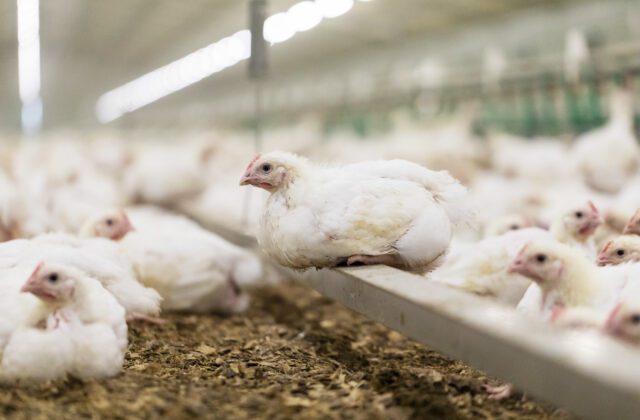
RSPCA Approved chicken hits supermarket shelves
Coles, closely followed by Woolworths, commences sourcing fresh RSPCA Approved chicken.
2016
External Review of RSPCA Approved Farming Scheme
A second external review is undertaken to better understand how the program can operate to best practice standards.
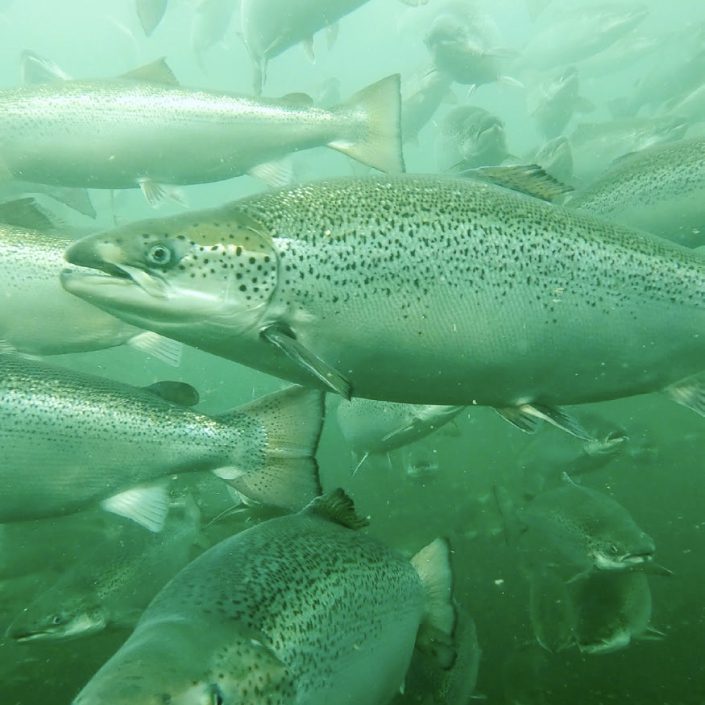
Huon Aquaculture becomes the first producer of RSPCA Approved farmed Atlantic salmon.
The RSPCA releases an animal welfare Standard for non-replacement dairy calves.
2019
Certification Body implemented
After the program’s second external review, the RSPCA Certification Body is established, and a management system is implemented for the program’s meat chicken program.
Coles launches Slow Hills RSPCA Approved chicken, the first slower-growing higher-welfare chicken available to the Australian consumer.
2020
Remote Assessments During COVID-19 Pandemic
Coles and Woolworths source RSPCA Approved chicken as an ingredient in their own brand products.
Remote assessments are implemented on farms and abattoirs during the COVID-19 pandemic.
2022
Impact Milestone for RSPCA certification
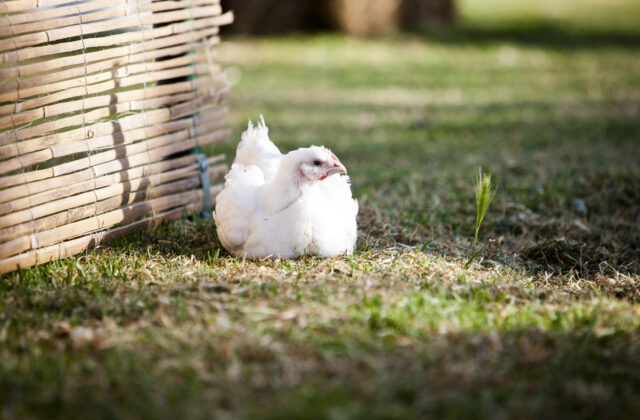
More than five billion hens, pigs, meat chickens, turkeys and salmon have benefitted from higher welfare farming conditions since the program began.
2024
Avian Influenza
RSPCA Certification body revises assessments process to account for avian influenza detections in Australia.
2025
Highlighting the strength of the certification, the program is rebranded RSPCA Certified
Organisation Chart
Ready to shape the future of higher-welfare farming?