RSPCA Certified
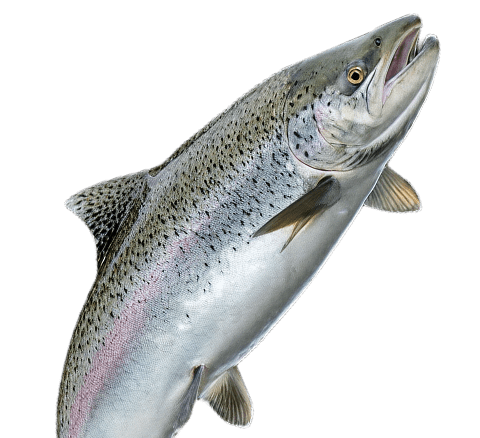
Atlantic Salmon
There is no legislation specific to the welfare of farmed Atlantic salmon. Regulation is focussed on managing and monitoring the environmental impact of salmon aquaculture operations. Fish are included as vertebrate species in the Tasmanian Animal Welfare Act 1993 and the Animal Welfare (General) Regulations 2013. Because of this lack of welfare regulation many millions of salmon are at risk of having poorer welfare without a program such as RSPCA Certified.
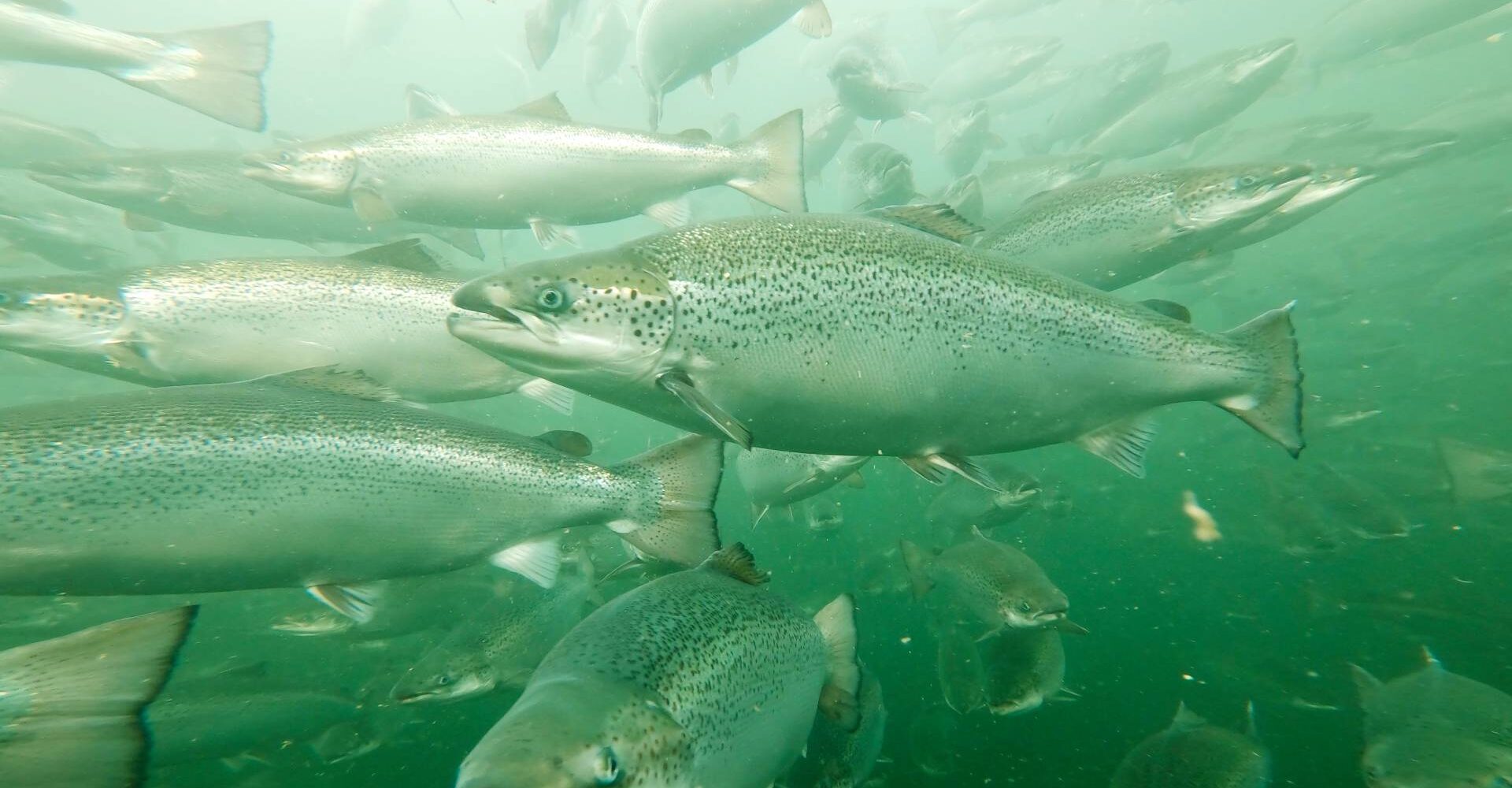
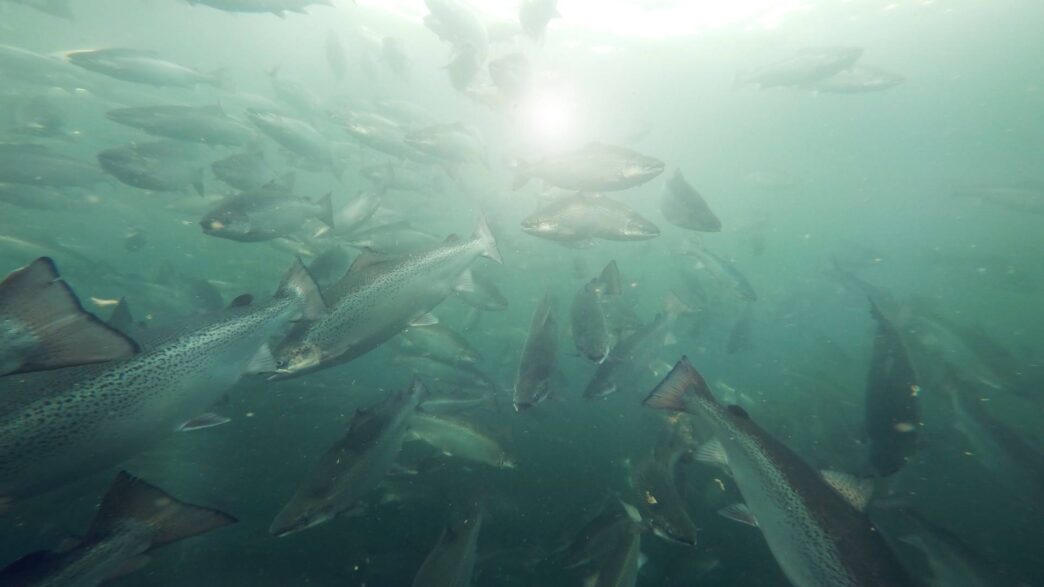
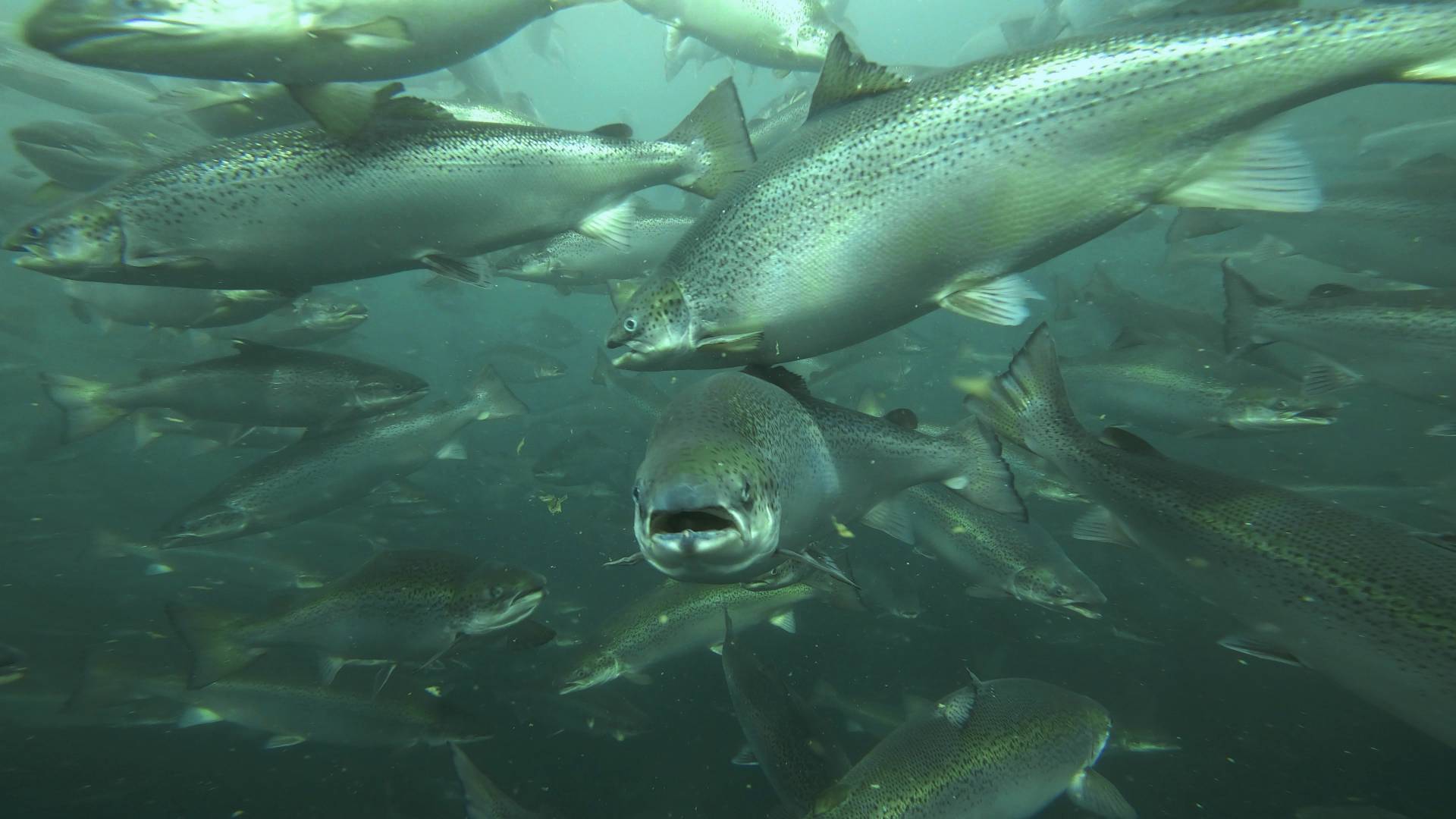
RSPCA Certified salmon, from Producers meeting and being assessed against the RSPCA Australia Standard for Farmed Atlantic Salmon, are provided with room to swim effortlessly and perform schooling behaviour. Low-stress handling is imperative throughout the salmon lifecycle, and there are strict handling requirements prior to stunning for slaughter and CCTV is in place. Salmon must be closely monitored to ensure good health.
Farm Assessments
RSPCA Certified salmon farms are assessed regularly by specially trained RSPCA Assessors and specific animal handling processes regularly assessed, along with additional unannounced assessments.
All RSPCA Certified salmon abattoirs have an annual unannounced assessment.
Legal requirements for Atlantic Salmon
The RSPCA Australia Standard and corresponding certification from RSPCA Certified is just one way the RSPCA works to improve salmon welfare, and ongoing improvements are still needed, particularly to lift minimum legal requirements.
There is no legislation specific to the welfare of farmed Atlantic salmon. Regulation is focussed on managing and monitoring the environmental impact of salmon aquaculture operations. Fish are included as vertebrate species in the Tasmanian Animal Welfare Act 1993 and the Animal Welfare (General) Regulations 2013.
Additional research is also required to focus on fish environment, the importance of sleep and rest for fish and alternative seal deterrent methods, as well as effective regulation and monitoring of the environmental impact of salmon farming.
For more information about key welfare issues for farmed Atlantic salmon, and how RSPCA continues to advocate for improvements, visit the RSPCA Australia website.
| Legal minimum | RSPCA Certified |
|---|---|
| No legislation specific to the welfare of farmed Atlantic salmon. | Requirements to review stocking density at each site with respect to fish and environmental conditions yearly. Marine pen density must not exceed 15kg/m3. |
| No legislation specific to the welfare of farmed Atlantic salmon. | Specific requirements for any handling of salmon including how fish are held, time out of water and monitoring of sample fish. |
| Triploid salmon and the triploidisation process is legal. | The farming of triploid salmon and the triploidisation process is not permitted. |
| No legislation specific to the welfare of farmed Atlantic salmon. | Amoebic Gill Disease bathing plan must be in place as part of a Veterinary Health Plan. |
Related Articles
A new era for RSPCA Australia’s farm animal welfare program

Deck the Halls with Higher-Welfare Celebrations
Talking Turkey about Higher Welfare at ALDI
How You Can Support Pig Welfare this Holiday Season
Ready to shape the future of higher-welfare farming?