RSPCA Certified
Dairy Calves
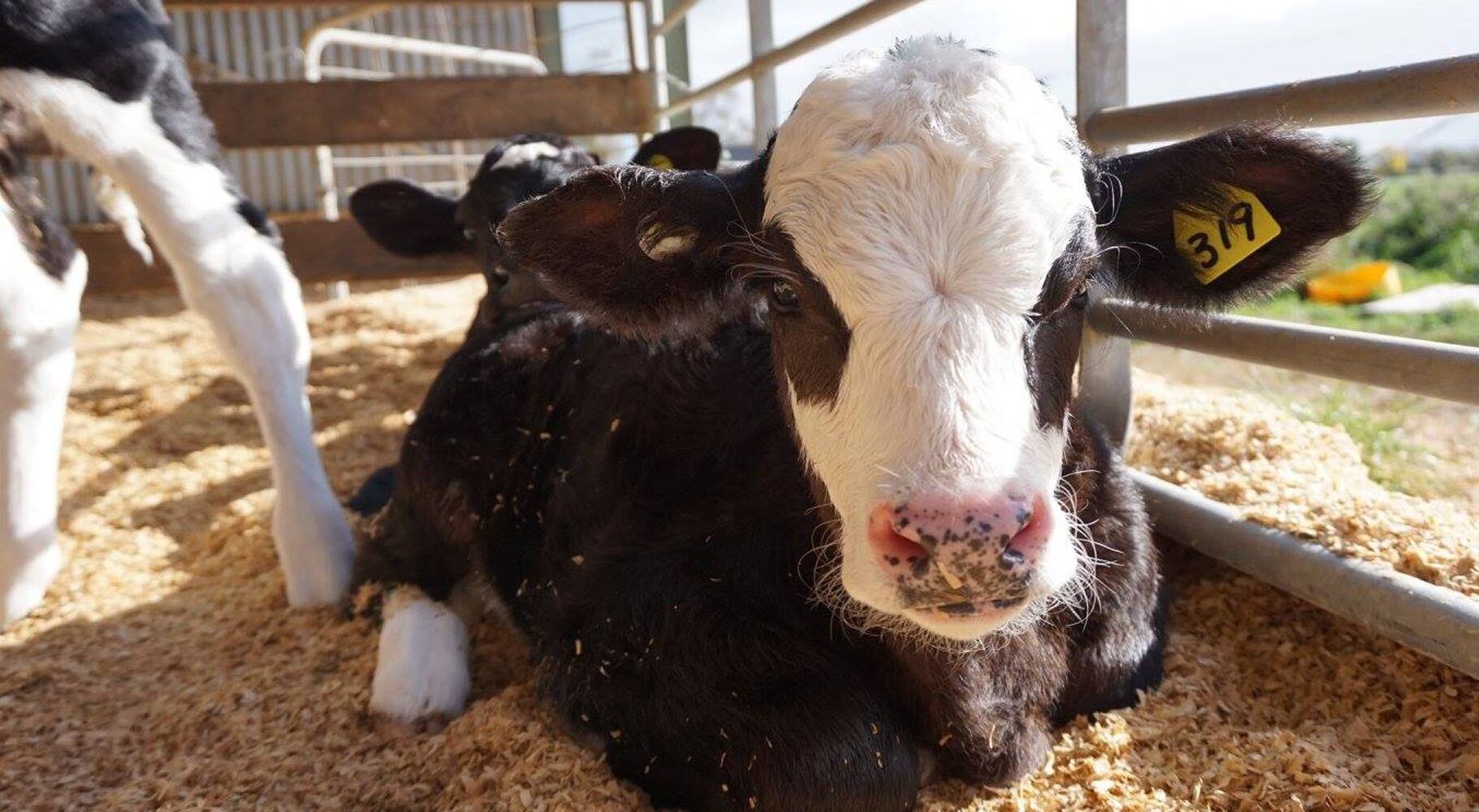
With the release of the RSPCA Australia Standard for Non-Replacement Dairy Calves the RSPCA is encouraging farmers to raise non-replacement dairy calves to higher-welfare standards.
Consumer demand for dairy veal or dairy beef has the potential to help reduce the number of bobby calves treated as by-products of dairy farming.
Providing a Pathway
While there are currently no producers certified to the RSPCA Australia Standard for Dairy Calves, we have been liaising with the dairy industry to encourage them to work with the beef industry and find a solution that gives these calves a pathway rather than being killed at such a young age.
We encourage those interested in producing RSPCA Certified dairy veal or beef to get in touch with us, or if you are a dairy purchaser and want your favourite dairy brand to do more for calves see these easy questions to ask.
Legal requirements for Dairy Calves
Whether calves born to dairy cows are destined to join the dairy herd or not, it’s important that special consideration is given to their vulnerability as young animals, and that they are cared for in a way that meets their specific needs. This is where having enforceable and consistent standards of care could go a long way to raising calf welfare.
There is always more work to be done, and RSPCA Australia will continue to engage with industry, government and the public to advocate for more improvements.
For more information about the RSPCA’s work in farm animal welfare visit the RSPCA website.
| Legal minimum | RSPCA Certified |
|---|---|
| There is no legal requirement for colostrum provision | Colostrum must be provided to facilitate successful passive transfer of immunity. Calves must be fed 4 litres of colostrum over 2 feeds in the first 12 hours of life, and 2 litres in the following 12 hours. |
| Not legally required. May be housed individually. | Calves must be group housed. |
| there is no legal requirement for dietary requirements. The same hay can be used for bedding as well as their feed. | Calves over 21 days must be given chopped hay in their diet. This needs to be supplied separately to bedding and environmental enrichment. |
| there is no legal requirement for environment enrichment. | Before given outdoor access at 8 weeks, calves must be provided with long hay as environmental enrichment. |
Related Articles
Dairy Welfare in Focus
How to Support Farm Animal Welfare this Mother’s Day
What Are Non-Replacement Dairy Calves, and What Can We Do About Their Welfare?
What you need to know about shopping for dairy products
Ready to shape the future of higher-welfare farming?