Layer Hens
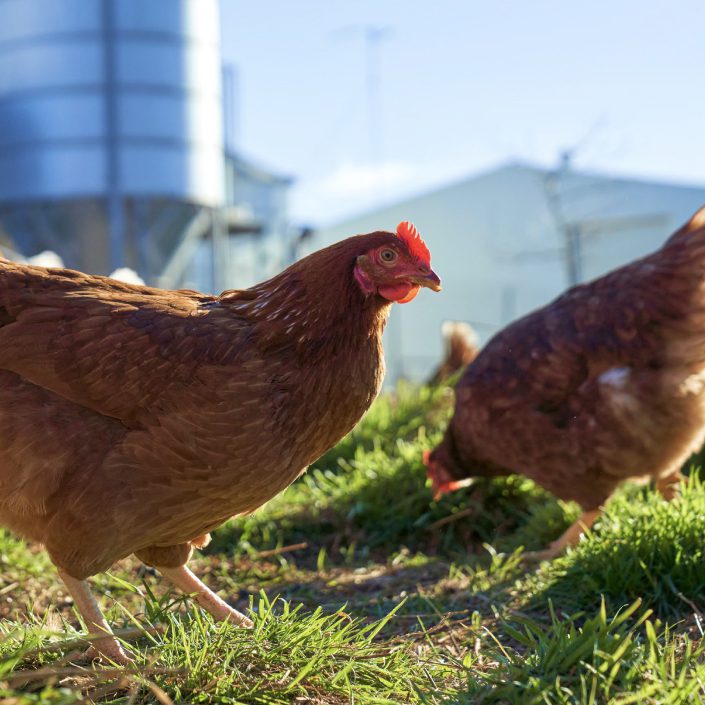
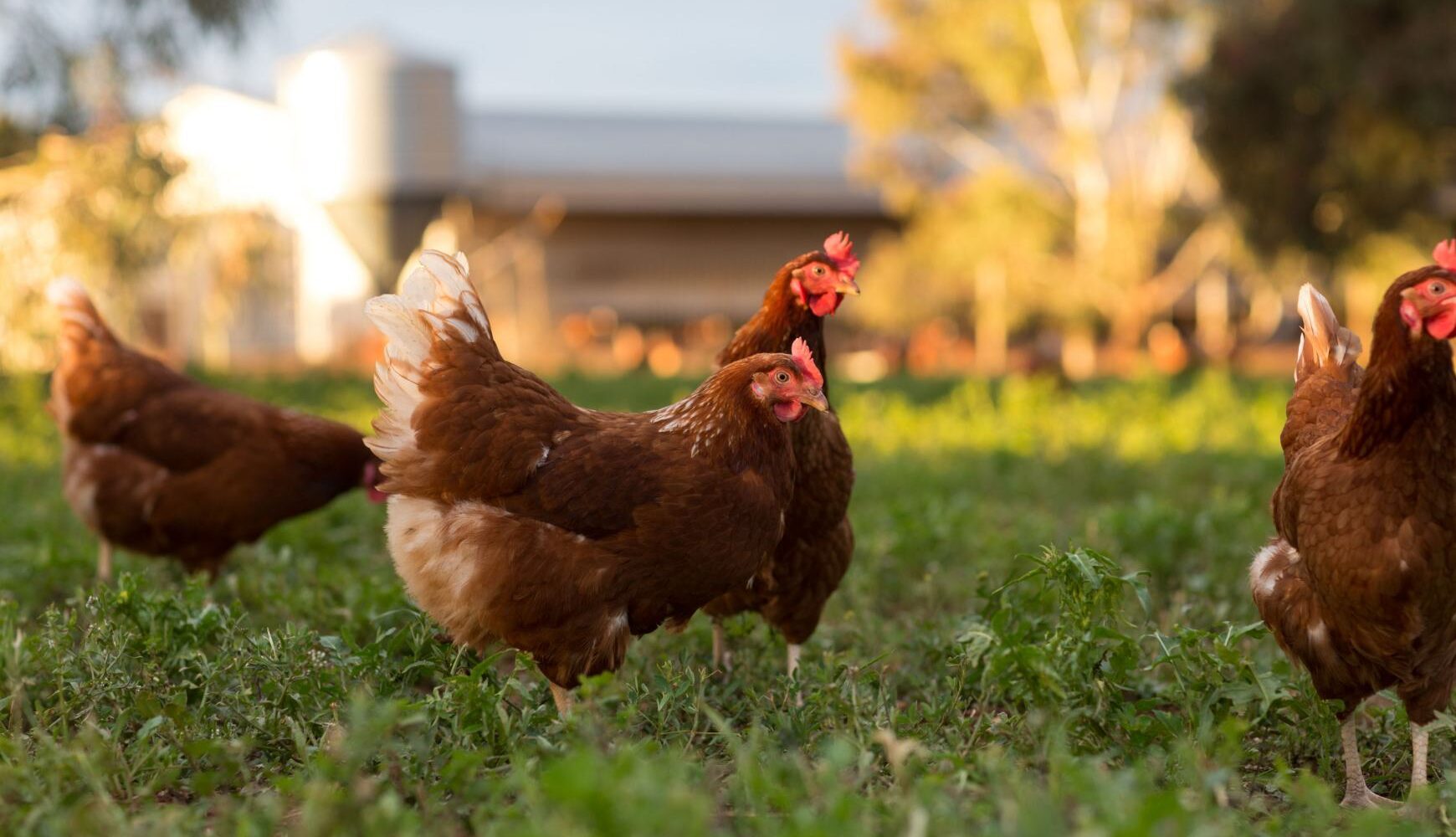
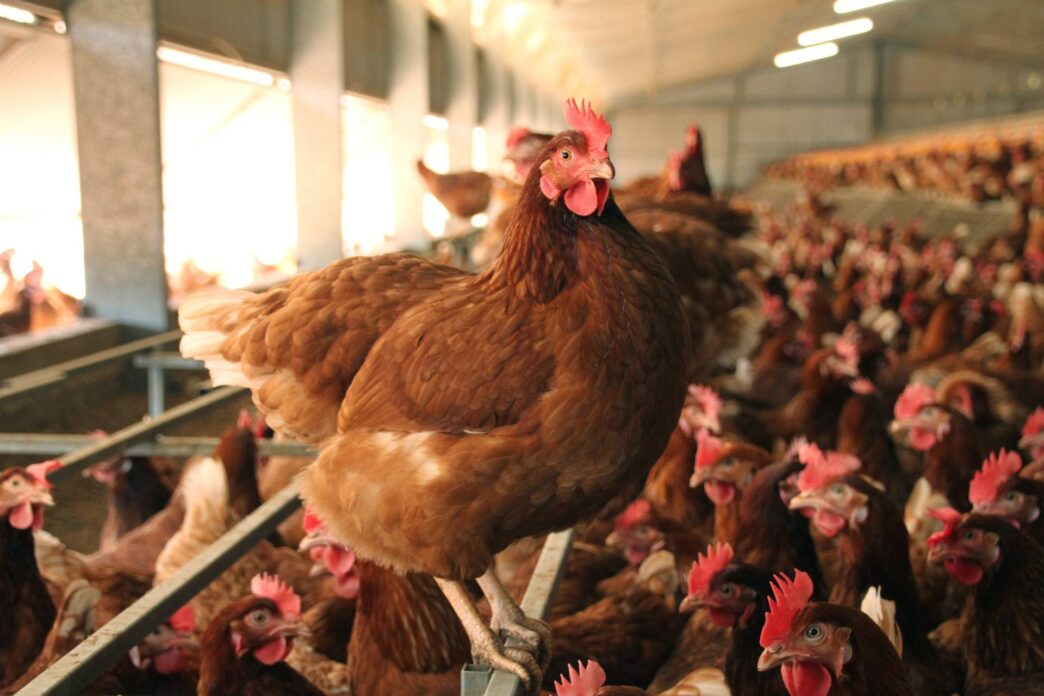
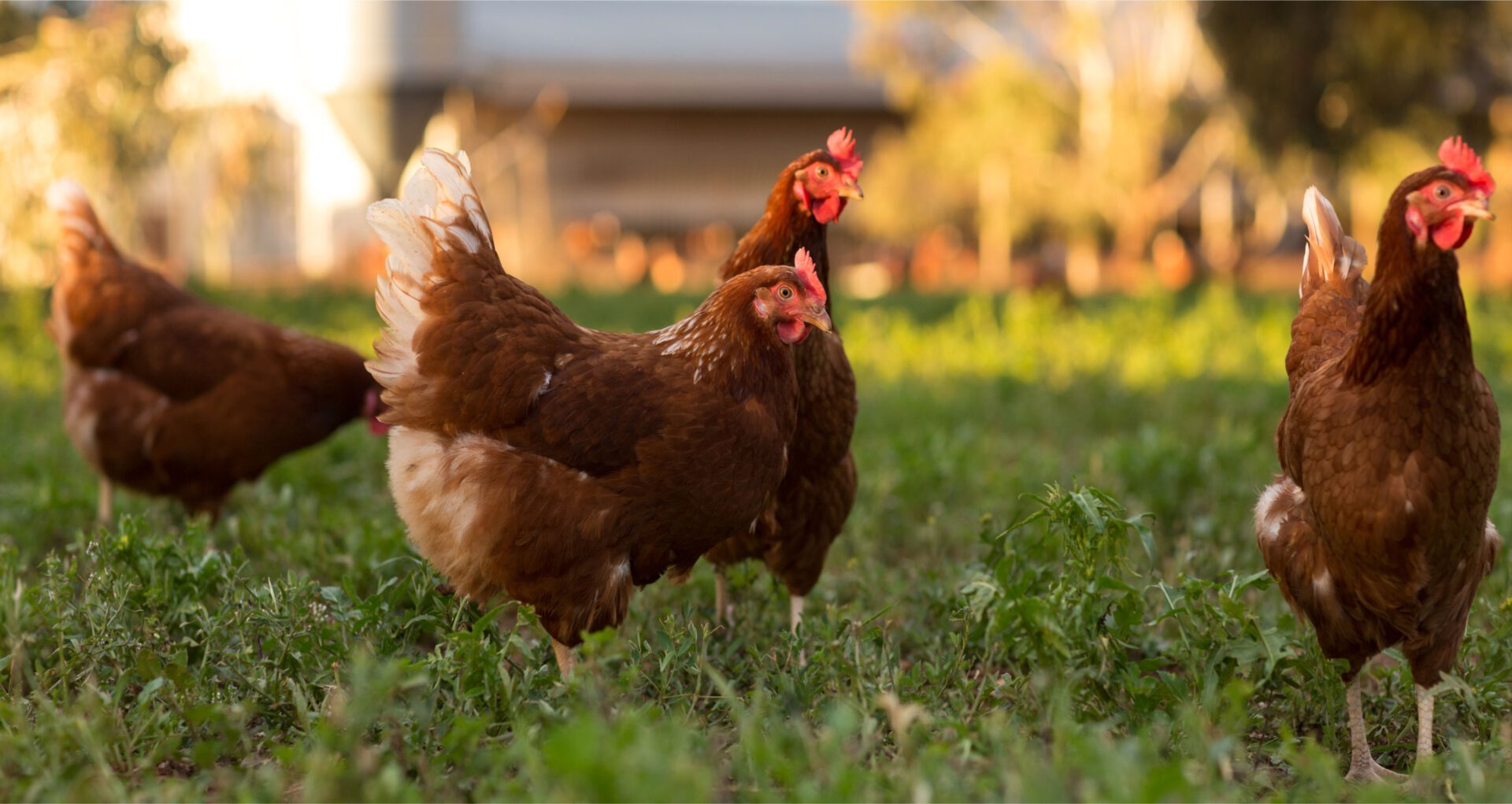
Eggs are a common staple for many Australians. According to recent data, over 16 million layer hens are farmed in Australia for their eggs in one of four systems: battery cages, furnished cages, barn (cage-free) or free-range. While RSPCA Certified eggs only come from barn raised or free-range systems, across all systems there can be welfare challenges. Numerous welfare concerns exist for layer hens in Australia’s conventional systems including cages, high stocking densities that don’t allow enough freedom for movement, lack of adequate perching and no legal requirement for compliance or monitoring against legislation. RSPCA Australia does not believe the legal minimum standards go far enough. While the RSPCA Australia Standard and corresponding certification from RSPCA Certified are one way the RSPCA works to improve layer hen welfare, there are still improvements required.
For more information about key welfare issues for layer hens, and how the RSPCA continues to advocate for improvements, visit the RSPCA Australia website.
Pigs
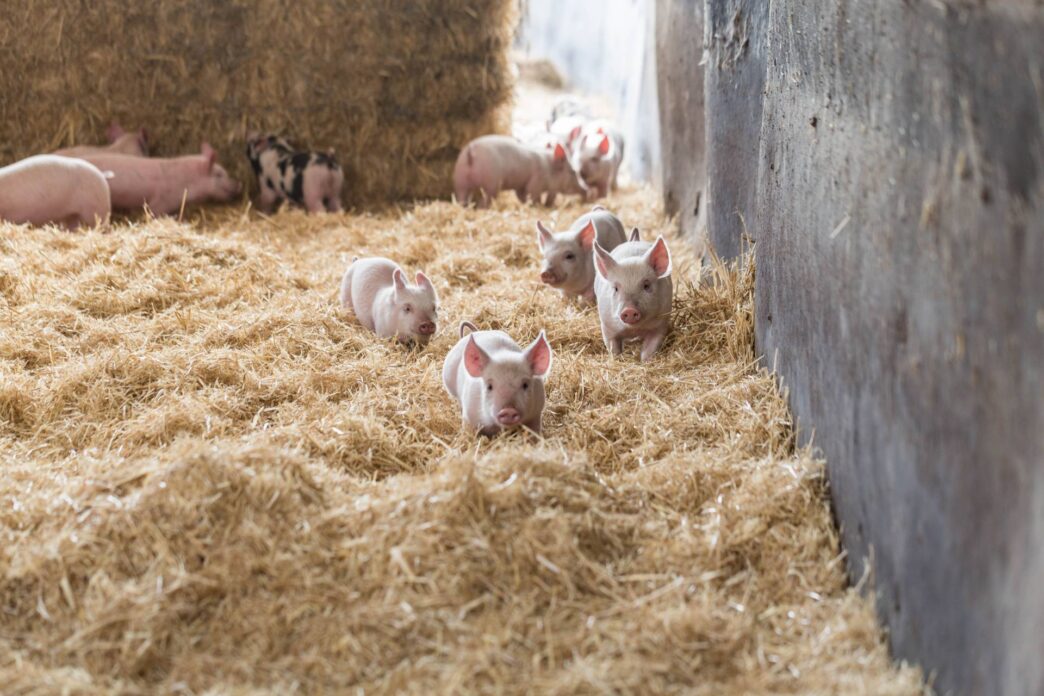
Pork is the second most consumed meat in Australia, and yet the pig industry has some of the most challenging welfare issues for the roughly 5 million pigs who are slaughtered each year. The vast majority of pigs are raised entirely indoors, with a small percentage in outdoor bred or free-range systems. RSPCA Certified pork can come from indoor, outdoor bred or free-range systems assessed and certified to the RSPCA Australia Standard for Pigs which importantly does not allow the use of sow stalls, farrowing crates, boar stalls or mating stalls. However, there are still many welfare concerns for pigs raised in close confinement including painful husbandry procedures such as tail docking, surgical castration and teeth clipping – none of which are permitted on RSPCA Certified farms. The RSPCA Australia Standard and RSPCA Certified is just one way the RSPCA works to improve pig welfare, but there are many improvements still needed when it comes to the welfare of pigs in conventional farming.
For more information about key welfare issues for farmed pigs, and how RSPCA continues to advocate for improvements, visit the RSPCA Australia website.
Meat Chickens
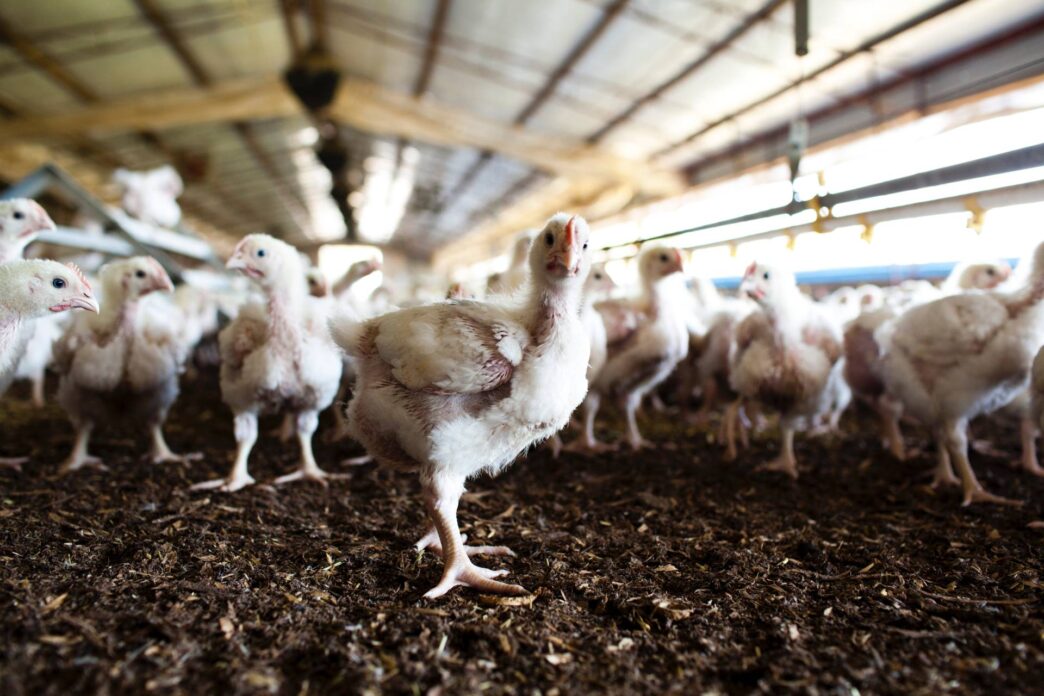
Nearly 750 million chickens are farmed for their meat in Australia every year. This high number of animals coupled with the many serious animal welfare issues is precisely why the RSPCA is involved in meat chicken production, to improve the welfare outcomes for many millions of animals. Over 80% of Australia’s meat chickens are farmed entirely indoors, and the rest with outdoor access (free-range) when fully feathered. While meat chickens can come from RSPCA Certified indoor or free-range farms there are still a number of serious welfare issues for chickens raised for meat for both systems. Fast-growing meat chicken breeds are unable to support the rapid growth for which they’ve been genetically selected which can lead to health and welfare issues. The RSPCA Australia Standard and RSPCA Certified is just one way the RSPCA works to improve meat chicken welfare.
For more information about key welfare issues for meat chickens, and how RSPCA continues to advocate for improvements, visit the RSPCA Australia website.
Turkeys
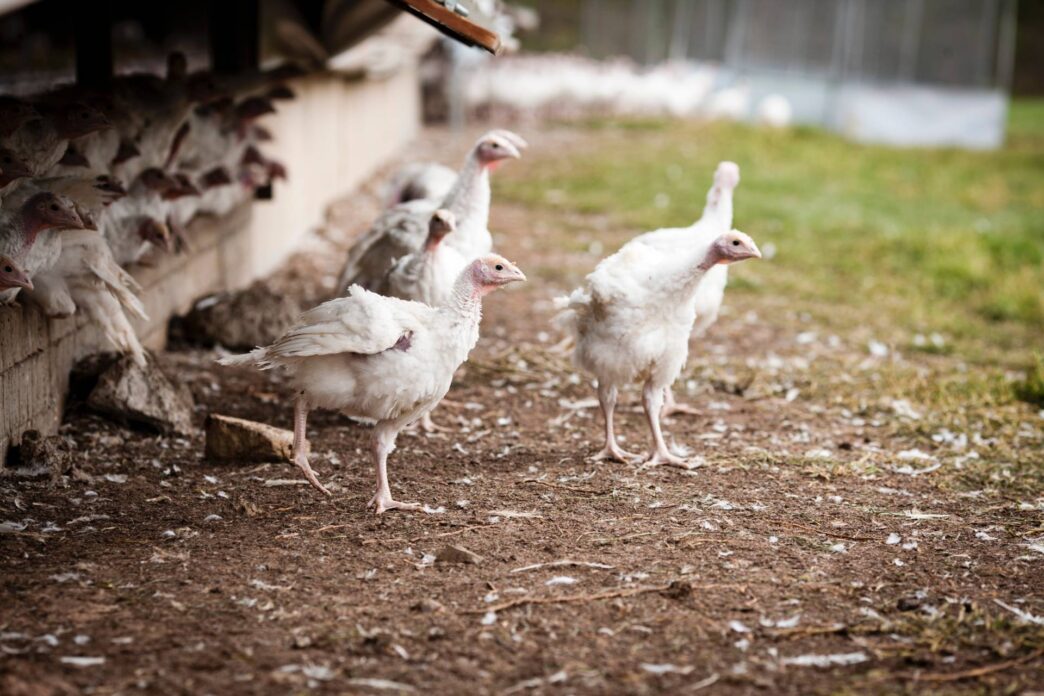
Turkey production in Australia is a relatively small market operating at peak around the Christmas period, but turkeys can face similar welfare issues to meat chickens. Mostly raised indoors with some free-range production – turkeys raised on RSPCA Certified farms can come from indoor or free-range systems. Over the past 50 years, turkey breeding companies have been selecting for production traits such as fast growth, large breast and thigh muscles, and feed efficiency. Similarly to meat chickens, this selection pressure has resulted in significant welfare problems for turkeys. Other welfare concerns such as painful husbandry procedures including de-snooding, de-winging and toe trimming, remain a concern. The RSPCA Australia Standard and RSPCA Certified is just one way the RSPCA works to improve turkey welfare and ongoing improvements are still needed, particularly to lift minimum legal requirements for farmed animals
For more information about key welfare issues for turkeys, and how RSPCA continues to advocate for improvements, visit the RSPCA Australia knowledge base.
Salmon
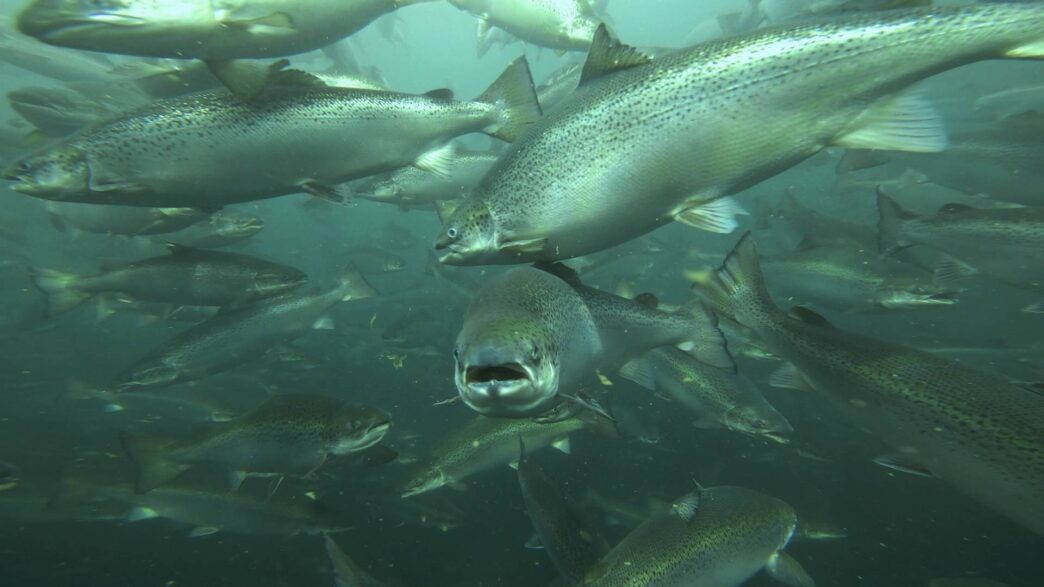
There are various different types of fish farming across Australia. In Tasmania is where over 12 million salmon are farmed every year on land and at sea.
Some welfare issues in salmon production are similar to those we find in land-based farming systems for other animals, and some are unique to the aquatic environment. RSPCA Certified salmon can only come from salmon farms and abattoirs assessed and certified to the RSPCA Australia Standard for Farmed Atlantic Salmon.
Dairy Calves
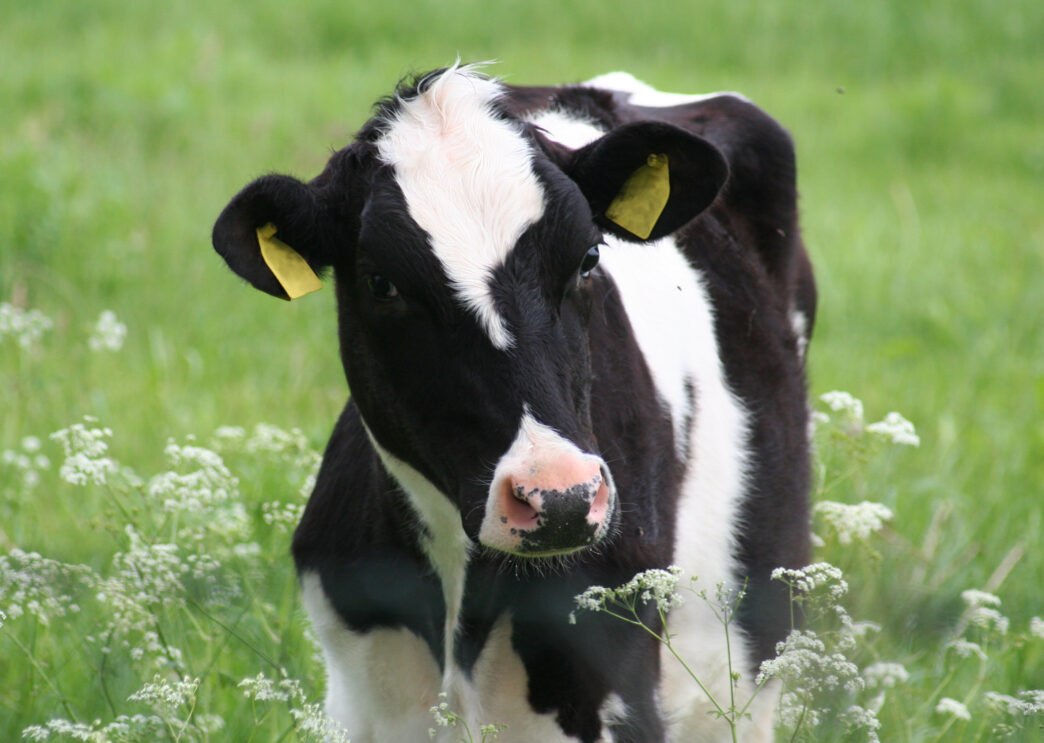
In the production of dairy products, a calf needs to be born for a cow to produce milk. What happens to that calf next is dependent on their sex and the farming operations. If the calf is female, they may be reared to become milking cows. If the calf is male, or an unwanted female, they can either be killed on farm, go to slaughter at five days old as a bobby calf, or be reared till old enough to be processed for a veal or beef product.
This is just one of many complex welfare issues in the Australian dairy industry.
Ready to shape the future of higher-welfare farming?